Introduction
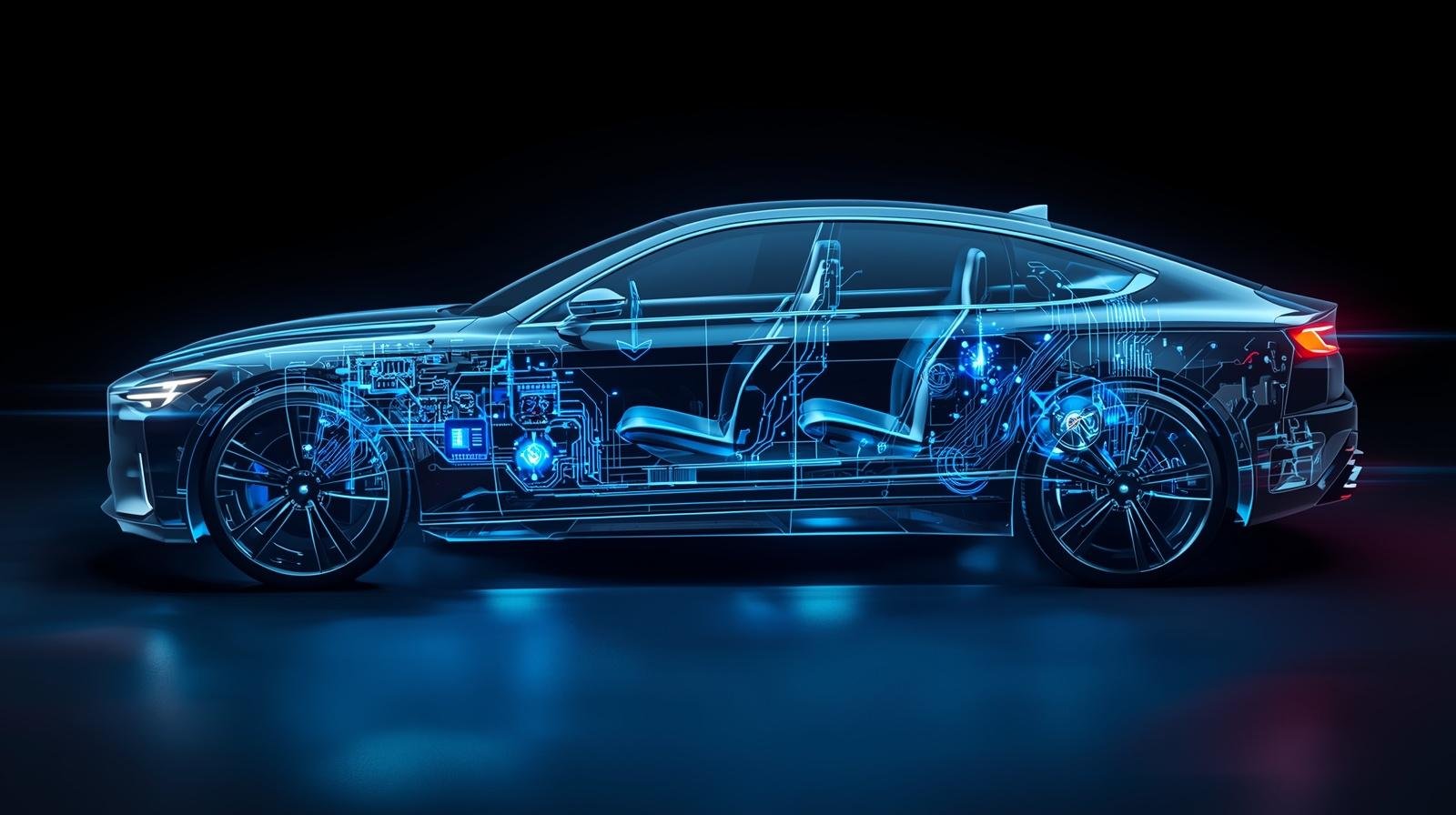
Modern car technology refers to systems, tools, and digital processes used in vehicles to improve driving control, safety, efficiency, and connectivity. Vehicles today contain many electronic components, software programs, and automated systems that work together during driving. These systems collect data, process it through onboard computers, and respond by controlling different parts of the vehicle.
Automotive technology has changed the way vehicles operate. Earlier vehicles depended mainly on mechanical parts. Current vehicles use electronic control units, sensors, communication networks, and software to perform many tasks. These systems manage engine operation, braking, navigation, entertainment, and driver support.
Understanding how modern car technology works helps drivers know the function of the systems inside their vehicles.
Evolution of Automotive Technology
Automotive development started with mechanical engines and manual control systems. Over time, engineers introduced electronic systems to improve vehicle performance.
In the early stages, vehicles used carburetors to control fuel supply. Later, manufacturers introduced fuel injection systems controlled by electronic modules. These modules calculate the amount of fuel required by the engine based on sensor data.
Another major change came with onboard diagnostics. This system monitors vehicle performance and reports faults when problems occur.
Modern vehicles now contain dozens of electronic systems connected through communication networks. These networks allow different vehicle modules to exchange information and operate together.
Core Components of Modern Car Technology
Modern vehicles include several technical components that control operations.
Electronic Control Unit (ECU)
The electronic control unit acts as the central computer of the vehicle. Most vehicles contain multiple ECUs. Each ECU manages a specific function such as engine management, braking control, transmission operation, or climate systems.
The ECU receives information from sensors placed around the vehicle. After analyzing the data, it sends commands to actuators that perform actions like adjusting fuel supply or applying braking force.
Sensors
Sensors detect changes in the vehicle environment or internal systems. They convert physical signals into electrical data that can be processed by the ECU.
Common sensors include:
- Oxygen sensor
- Wheel speed sensor
- Temperature sensor
- Pressure sensor
- Radar sensor
- Camera sensor
Each sensor performs a specific monitoring task. For example, wheel speed sensors track the rotation speed of each wheel. This data helps braking systems maintain control during sudden stops.
Actuators
Actuators perform physical actions based on commands from the ECU. These components convert electrical signals into mechanical movement.
Examples include fuel injectors, throttle actuators, and brake actuators.
Vehicle Communication Networks
Modern vehicles use internal communication systems that connect different electronic modules. One common system is the Controller Area Network (CAN). This network allows ECUs to share information quickly.
For example, the braking system can receive wheel speed information from sensors and coordinate with stability control systems to adjust braking force.
Engine Management Systems
Engine management technology plays a major role in modern vehicles. This system monitors engine performance and controls fuel injection, ignition timing, and air intake.
Sensors measure factors such as:
- Engine temperature
- Air flow
- Oxygen levels in exhaust gases
- Throttle position
The ECU processes these inputs and calculates the correct fuel-air mixture needed for combustion. This process improves fuel efficiency and reduces emissions.
Engine management systems also detect problems through onboard diagnostics and generate fault codes for service technicians.
Advanced Driver Assistance Systems
Modern vehicles often include driver assistance technology. These systems support drivers during driving tasks and help prevent accidents.
Anti-lock Braking System (ABS)
ABS prevents wheel lock during hard braking. Wheel speed sensors detect rapid deceleration and send data to the braking controller. The controller adjusts brake pressure to maintain traction.
Electronic Stability Control (ESC)
ESC helps maintain vehicle stability during turning or slippery road conditions. It compares steering input with vehicle motion data and applies braking to specific wheels when needed.
Adaptive Cruise Control
This system controls vehicle speed automatically. Radar sensors monitor the distance to the vehicle ahead and adjust speed to maintain a safe gap.
Lane Monitoring Systems
Cameras observe road lane markings. If the vehicle moves outside the lane without signaling, the system alerts the driver.
Infotainment and Connectivity Systems
Modern vehicles include digital entertainment and connectivity systems. These systems combine media functions with smartphone integration and navigation tools.
Touchscreen Interfaces
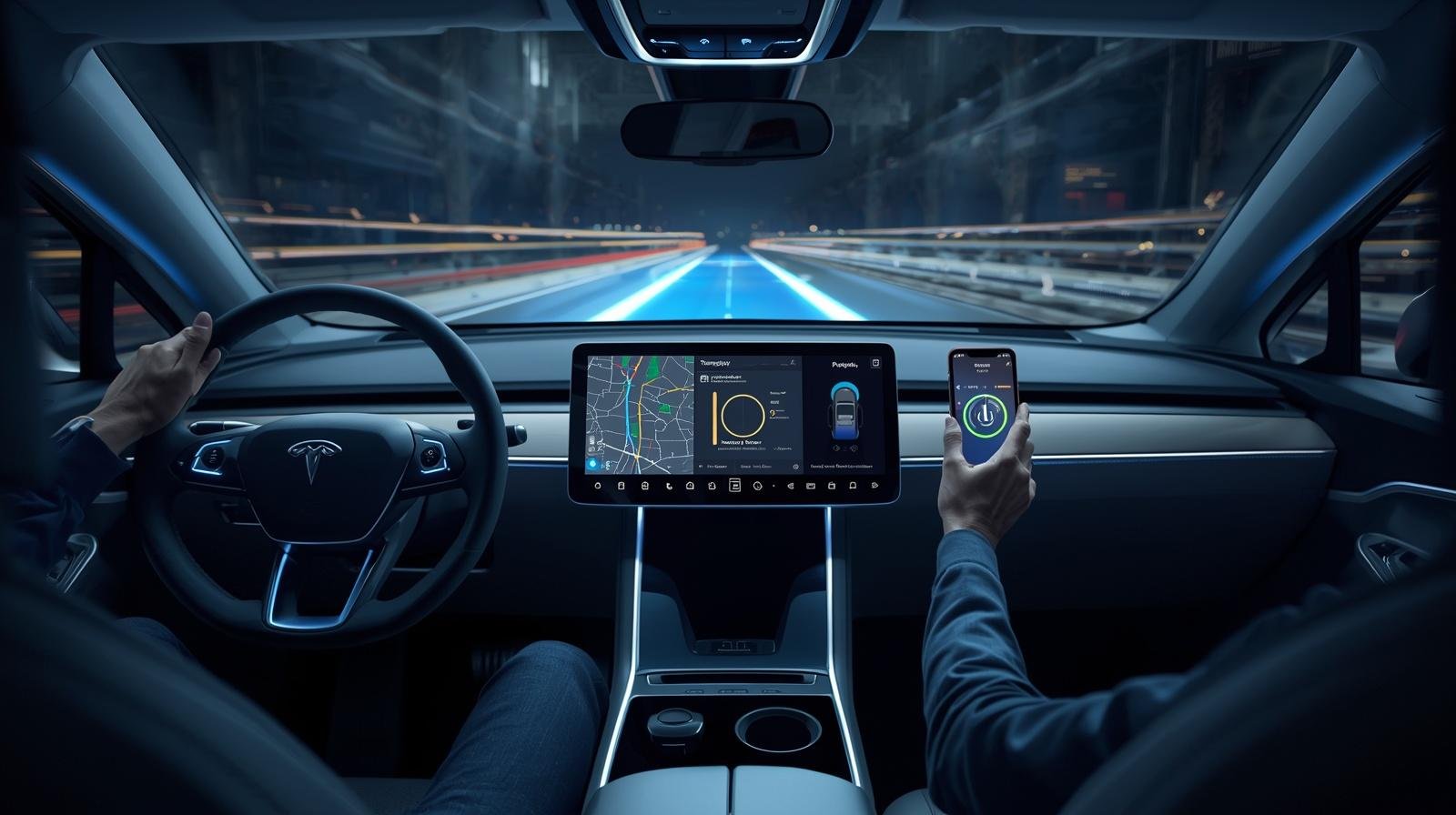
Many vehicles use touchscreen displays to control navigation, music, phone calls, and vehicle settings.
Smartphone Integration
Drivers can connect mobile devices to the vehicle system. This connection allows access to apps, contacts, and messages through the vehicle display.
Navigation Systems
Navigation systems use satellite positioning to determine vehicle location and guide drivers to destinations.
These systems may also provide traffic information and route planning features.
Vehicle Safety Technologies
Safety technology forms an important part of modern automotive design.
Airbag Systems
Airbags deploy during collisions to reduce impact forces on passengers. Sensors detect sudden deceleration and trigger deployment within milliseconds.
Collision Detection Systems
Some vehicles include forward collision detection systems. Radar and camera sensors monitor objects ahead and warn the driver if a collision risk appears.
Parking Assistance Systems
Parking assistance systems use sensors and cameras to help drivers during parking. The system may provide visual guides or automatic steering support.
Electric and Hybrid Vehicle Technology
Electric and hybrid vehicles represent a major development in automotive technology.
Electric Powertrains
Electric vehicles use electric motors powered by rechargeable battery packs. Instead of internal combustion engines, these vehicles rely on stored electrical energy.
Battery management systems monitor battery temperature, charge levels, and performance.
Hybrid Systems
Hybrid vehicles combine internal combustion engines with electric motors. The system switches between power sources depending on driving conditions.
This combination reduces fuel consumption and emissions.
Vehicle Data Processing
Modern vehicles process large amounts of data during operation. Sensors generate information continuously while the vehicle moves.
The ECU analyzes this information in real time. For example, if a wheel loses traction, the stability control system immediately adjusts braking or engine power.
Vehicle data systems also record diagnostic information that technicians use during maintenance.
Over-the-Air Software Updates
Some vehicles now support remote software updates. Manufacturers send updates through wireless connections.
These updates may improve system performance, add new features, or fix software issues without requiring a service visit.
Communication Between Vehicles
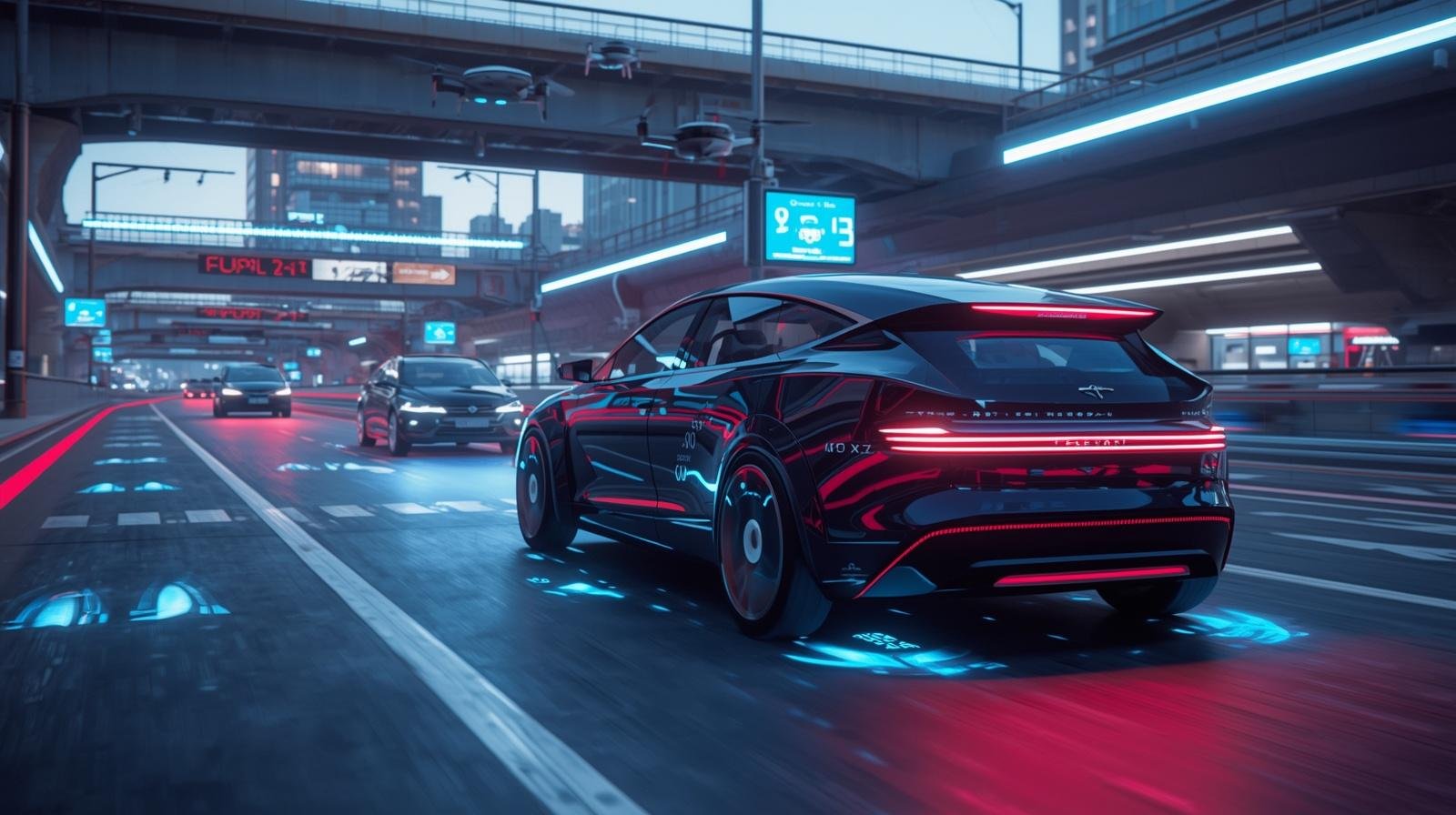
Automotive technology continues to expand through communication systems between vehicles and infrastructure.
Vehicle-to-Vehicle communication allows cars to exchange information about speed and position. This information may help prevent collisions.
Vehicle-to-Infrastructure communication allows vehicles to interact with traffic signals and road systems.
Autonomous Driving Development
Autonomous driving technology focuses on vehicles that can operate with minimal driver input.
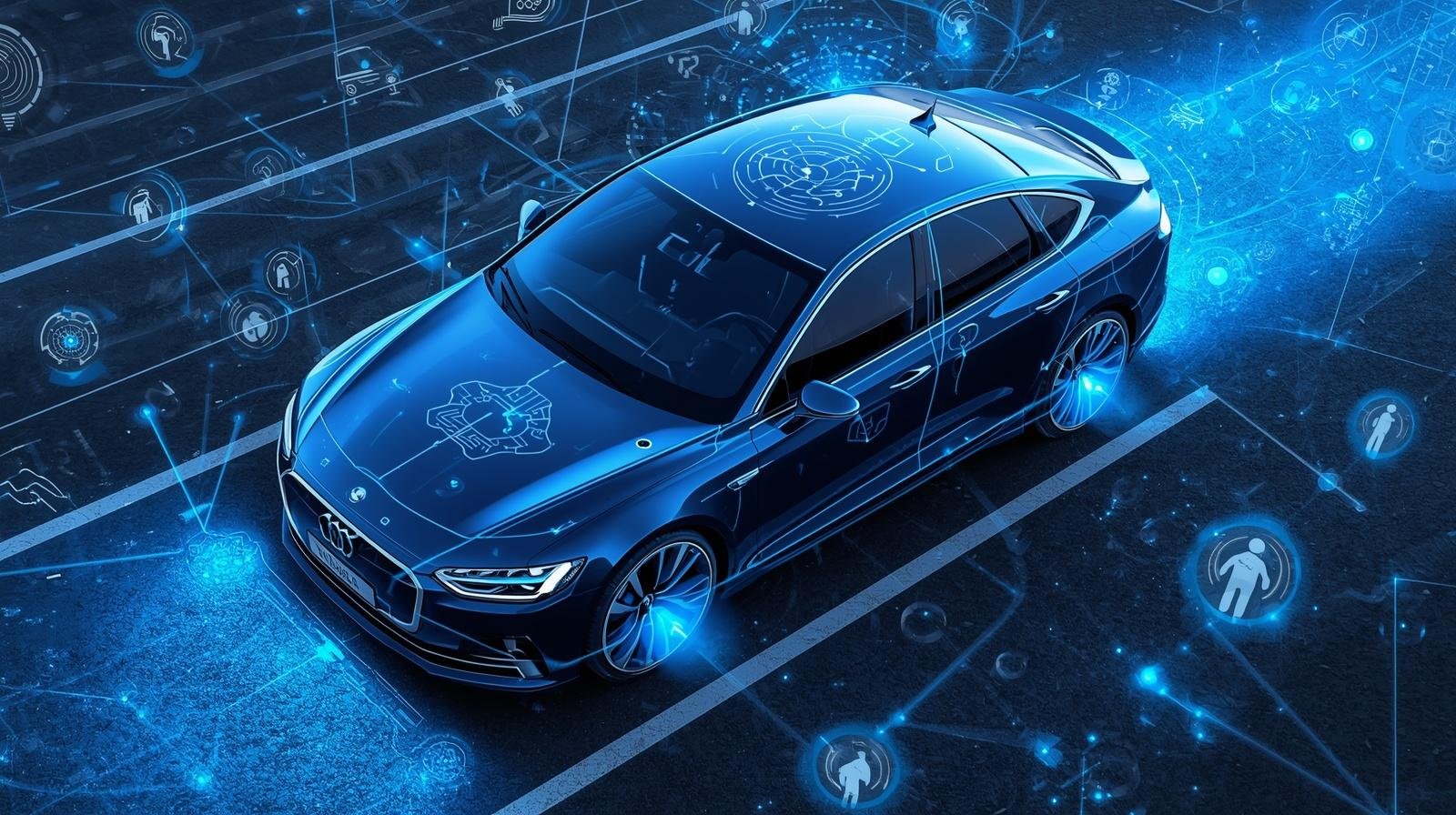
Autonomous systems combine several technologies:
- Radar sensors
- Cameras
- Artificial intelligence software
- Mapping systems
These components work together to detect road conditions, recognize objects, and control vehicle movement.
While full autonomy is still under development, many vehicles already include partial automation features.
Benefits of Modern Car Technology
Modern automotive technology provides several advantages for drivers and transportation systems.
Improved Safety
Advanced monitoring systems help detect hazards and support driver decisions.
Fuel Efficiency
Electronic engine management improves fuel usage through accurate control of combustion.
Driving Convenience
Automation systems reduce driver workload in tasks such as parking or speed control.
Connectivity
Drivers can access navigation, communication, and media systems directly from the vehicle interface.
Challenges of Automotive Technology
Despite many advantages, modern vehicle systems also present certain challenges.
System Complexity
Vehicles now include numerous electronic components and software programs. This complexity increases repair difficulty.
Maintenance Costs
Some electronic parts and sensors require specialized equipment for diagnosis and replacement.
Cybersecurity Risks
Connected vehicles must protect data and communication systems from digital threats.
Manufacturers continue to improve security measures to address these concerns.
The Future of Automotive Technology
The automotive industry continues to develop new technologies aimed at improving mobility.
Areas of development include:
- autonomous driving systems
- electric vehicle infrastructure
- artificial intelligence integration
- smart traffic communication systems
These technologies aim to create safer and more efficient transportation networks.
Conclusion
Modern car technology integrates electronics, software systems, sensors, and communication networks to manage vehicle operation. These technologies control engine performance, support driver safety, enable connectivity, and improve transportation efficiency.
Vehicles today function as complex digital systems rather than purely mechanical machines. As automotive development continues, new technologies will further change how vehicles operate and interact with drivers and road systems.