




2026 brings many new smartphones. Companies release new models. Phones have better cameras, faster processors, larger batteries. Users enjoy new technology. People take photos, watch videos, play games, learn, and work. Smartphones make life easier. New launches create excitement. Fans wait for updates. Markets expand. Prices vary. Some phones are affordable. Some are premium. Every year, features improve.
Redmi Note 15 Pro Series
Redmi launched Note 15 Pro and Note 15 Pro+ early 2026. Phones have 200MP main camera. Photos show high detail. Cameras include multiple lenses. Night photography improves. Screens are bright and clear. Processors are fast. Phones run multiple apps smoothly. Batteries last long. Users can play games, browse internet, stream videos. Designs look modern. Colors attract users. Storage options are large. Phones support 5G. Connectivity improves internet speed. Redmi Note 15 Pro Series attracts young users and professionals.
Realme P4 Power
Realme P4 Power launched in 2026. Battery capacity 10,001 mAh. Phones last long without charging. Charging speed 80W. Users recharge quickly. Screens are big. Displays show vivid colors. Cameras take clear pictures. Performance is fast. Apps run smoothly. Phones support multiple networks. Security includes fingerprint and face recognition. Realme P4 Power is useful for students and travelers. Long battery attracts gamers and content creators. Phones have modern design. Materials feel premium. Phones remain cool during heavy use.
Vivo X200T
Vivo released X200T 2026. Phones focus on battery life and camera quality. Batteries 6,200 mAh. Phones last one or two days. Cameras produce sharp pictures. ZEISS optics improve image clarity. Screens are bright. Colors appear natural. Performance is smooth. MediaTek processor supports apps and games. Phones support 5G networks. Storage options include large internal memory. Designs are thin and elegant. Phones attract professionals, photographers, and young users. Security includes face unlock and fingerprint sensor.
Samsung Galaxy S26 Series
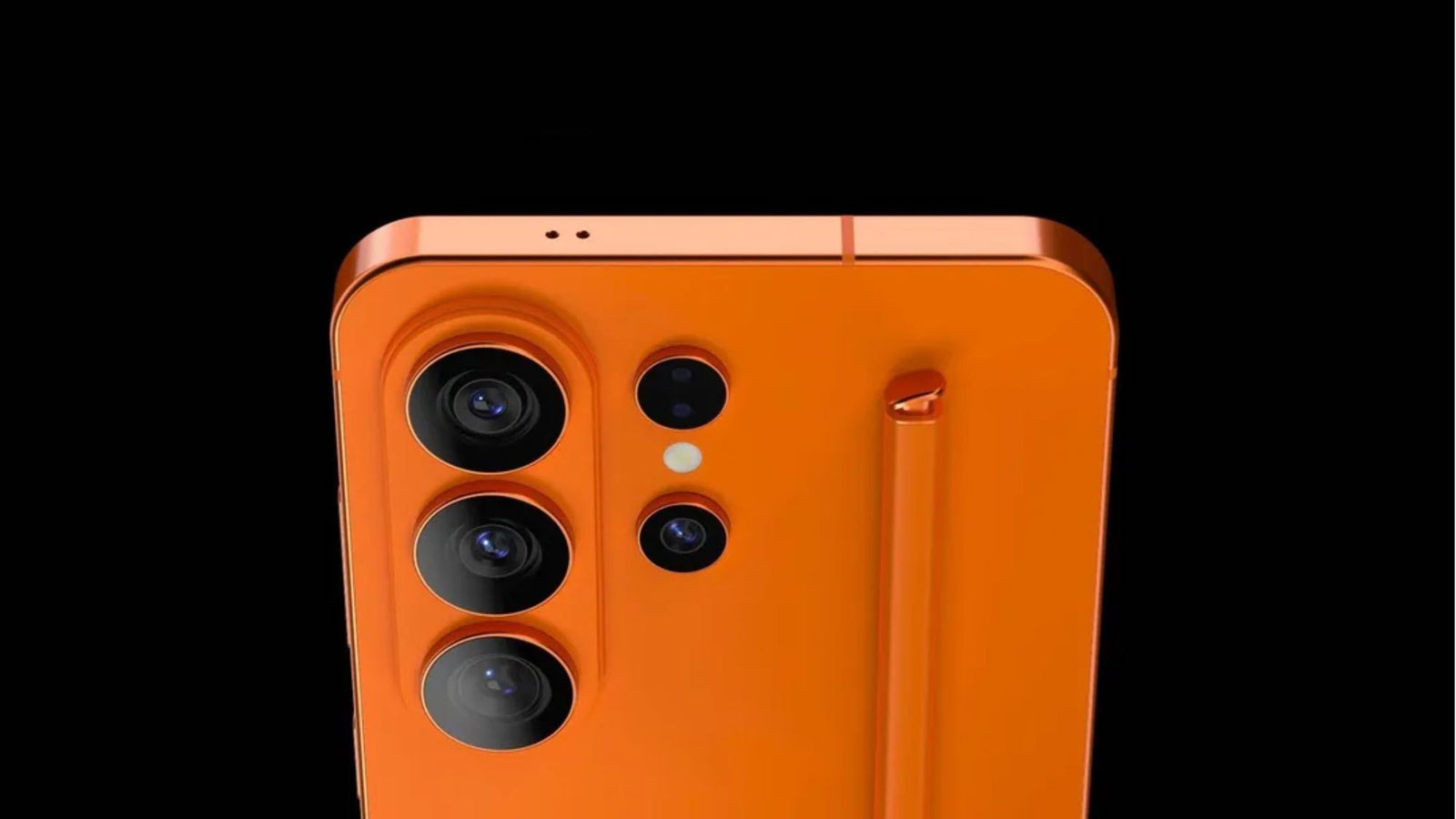
Samsung announces Galaxy S26 series 2026. Phones have advanced processors. Performance is fast. Screens are AMOLED. Displays show bright colors. Cameras include multiple lenses. Photography improves low light and zoom. Batteries last long. Phones support wireless charging. Storage options are large. Users enjoy smooth multitasking. Designs look premium. Colors and finishes attract buyers. Phones support 5G and Wi-Fi 7. Samsung Galaxy S26 targets professionals and tech enthusiasts. Phones remain competitive in global markets.
Apple iPhone 18 Series
Apple introduces iPhone 18 series 2026. Cameras improve photography and video recording. Processors faster than previous models. Performance improves app usage and gaming. Batteries last longer. Displays support higher refresh rates. Screens appear bright and clear. Storage options expand. Designs remain sleek. Phones support 5G networks. iOS 20 software improves features. Face ID remains secure. iPhone 18 Series attracts Apple fans, students, and professionals. Phones remain popular in global markets. Accessories include wireless chargers and earbuds.
Google Pixel 12 Series
Google launches Pixel 12 2026. Cameras excel in low light. Night photography improves. Processors fast and efficient. Phones run apps and games smoothly. Batteries last long. Screens are OLED. Colors are natural. Phones support 5G. Software updates arrive regularly. Phones have stock Android experience. Security includes fingerprint and face unlock. Designs remain simple and elegant. Pixel 12 attracts photography enthusiasts and tech-savvy users. Phones perform well in AI-based apps and services.
OnePlus 14 Series
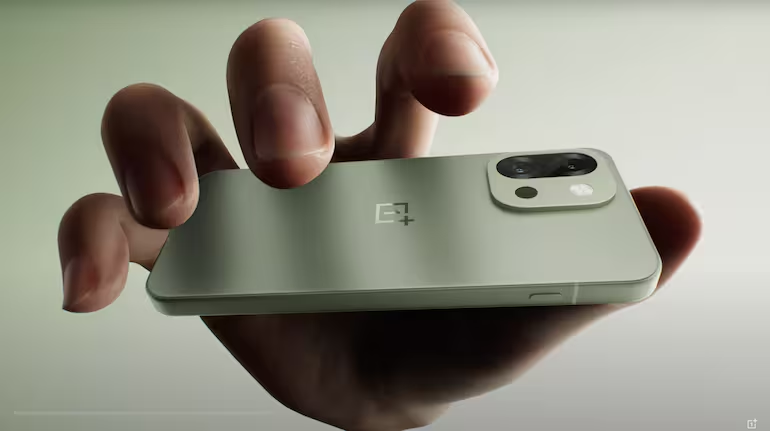
OnePlus introduces 14 series 2026. Phones feature fast processors. Gaming and multitasking perform smoothly. Cameras include high-resolution lenses. Photos appear sharp. Batteries last long. Fast charging included. Screens are AMOLED. Colors appear vibrant. Phones support 5G and Wi-Fi 7. Designs are thin and stylish. Security includes face unlock and fingerprint sensors. OnePlus 14 attracts young users, gamers, and professionals. Phones remain affordable compared to premium models. Updates improve performance.
Honor 90 Series
Honor launches 90 series 2026. Phones include advanced cameras. Photography improves low light and zoom. Screens are large. Colors appear bright. Performance remains smooth. Processors support apps and games. Batteries last long. Phones support fast charging. Designs appear modern. Security includes fingerprint and face recognition. Honor 90 attracts students and young professionals. Phones support 5G. Features include AI-powered software. Devices compete with global brands. Price remains affordable. Phones remain lightweight and durable.
Technology in Smartphones 2026
Smartphones 2026 include AI features. Cameras recognize scenes and optimize images. Voice assistants improve daily tasks. Users set reminders, translate languages, control smart homes. Phones integrate AR and VR. Apps provide interactive experiences. Smartphones include health monitoring. Fitness tracking, heart rate, sleep patterns included. Phones connect to wearable devices. Security improves. Biometrics secure data. Privacy features control apps and tracking. Smartphones remain central in life, education, work, and entertainment.
Conclusion
2026 brings many new smartphones. Redmi, Realme, Vivo, Samsung, Apple, Google, OnePlus, and Honor release exciting devices. Phones include better cameras, faster processors, longer batteries, brighter screens, and AI features. Devices support 5G networks. Designs remain modern and attractive. Security improves. Users enjoy apps, games, videos, and productivity tools. Smartphones remain essential in daily life. Technology improves life, work, and learning. Users can choose from budget to premium phones. 2026 smartphones attract students, professionals, travelers, and tech enthusiasts. Devices remain faster, smarter, and stylish.