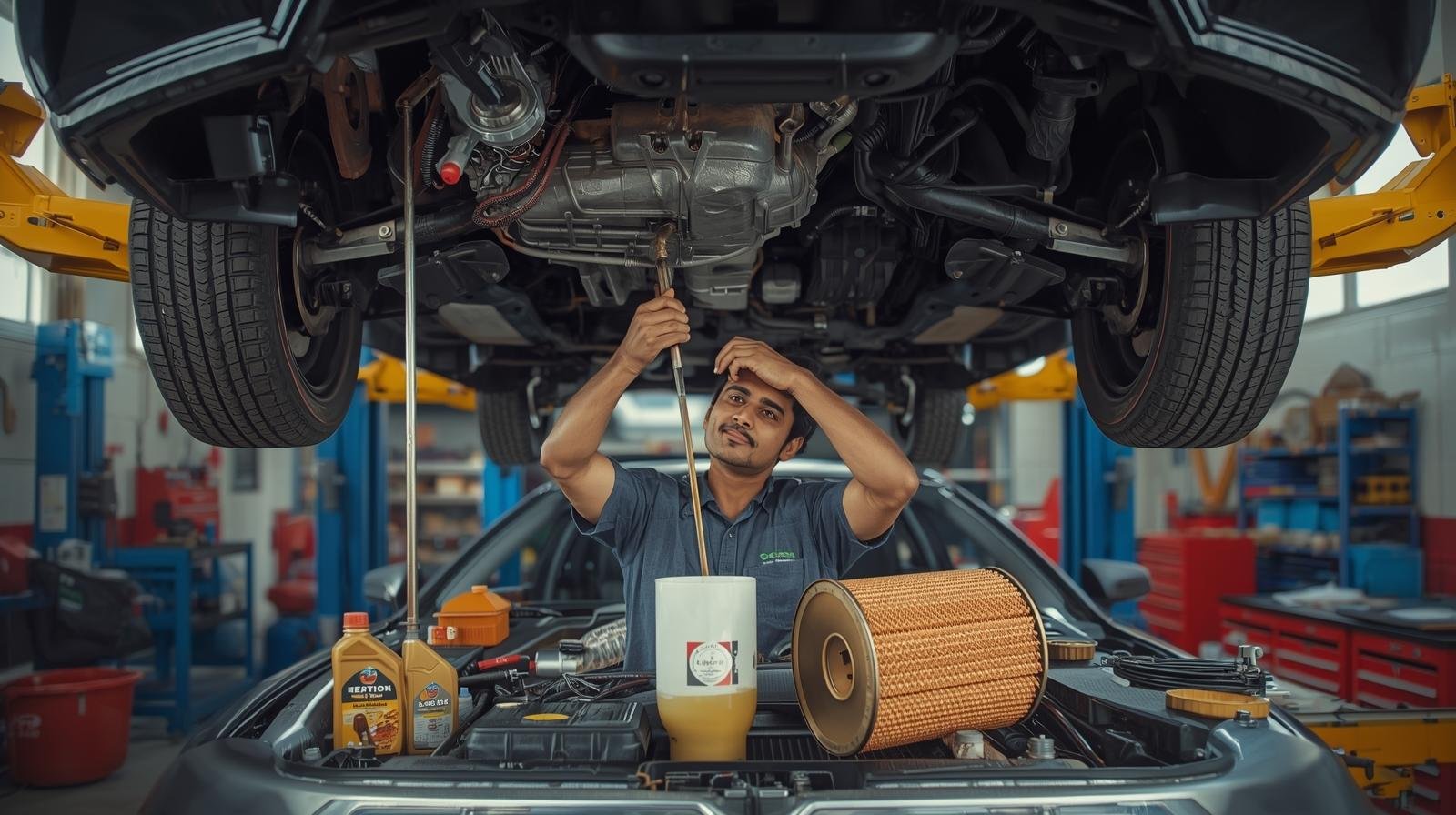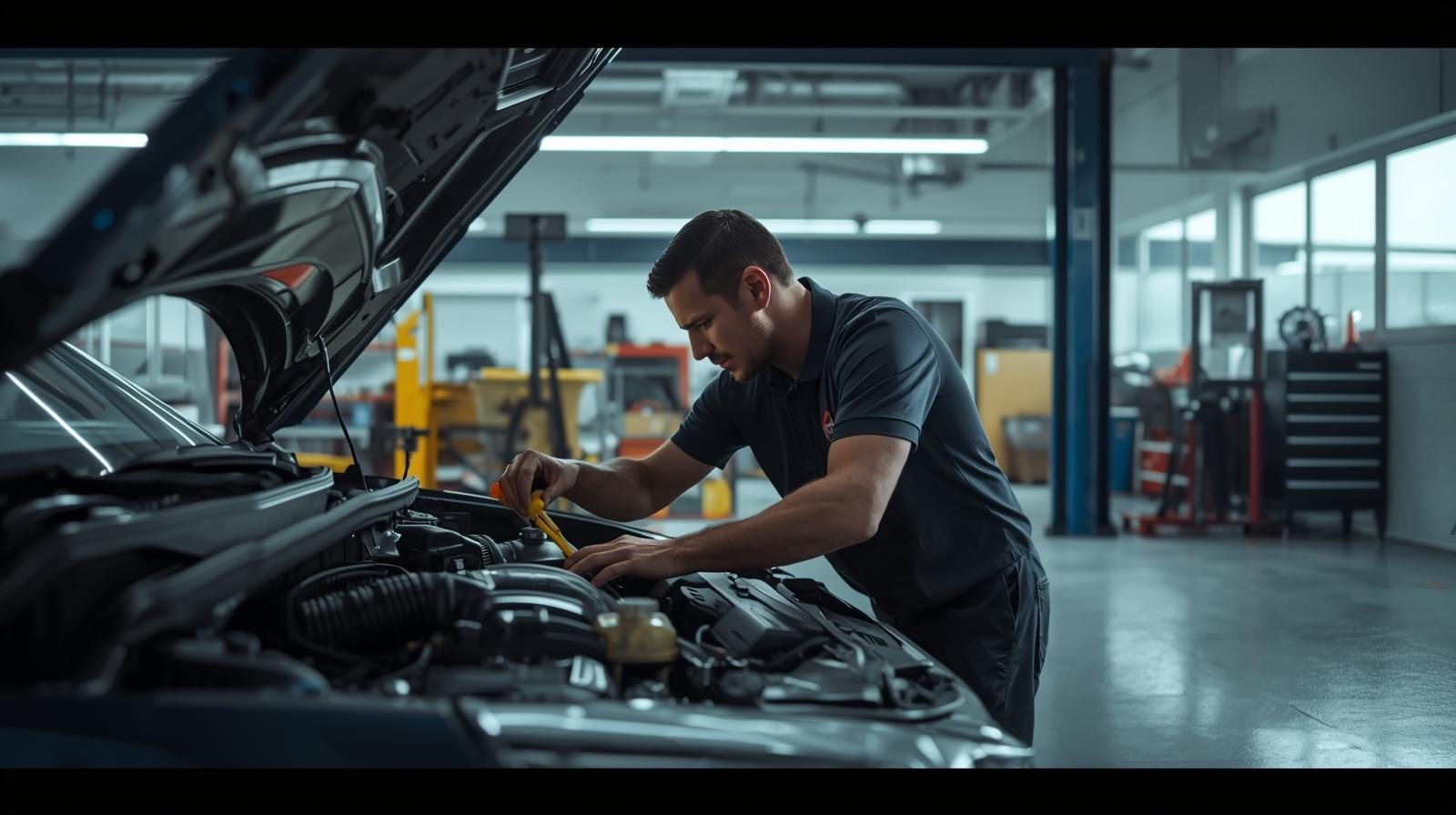
Car maintenance refers to the regular inspection, service, and replacement of vehicle components to maintain safe and reliable operation. Every vehicle contains mechanical parts, electrical systems, and fluid systems that require routine care. When drivers perform basic maintenance tasks, they reduce the risk of mechanical failure and extend the service life of the vehicle.
Many vehicle problems occur because basic maintenance steps are ignored. Routine inspections help identify wear, leaks, or system faults before they develop into larger mechanical issues. Understanding basic car maintenance allows drivers to maintain vehicle performance and prevent unnecessary repair costs.
This guide explains the basic maintenance tasks that every driver should understand.
Why Basic Car Maintenance Is Important
Regular car maintenance supports several important aspects of vehicle operation.
First, maintenance helps maintain vehicle safety. Braking systems, tires, and steering components must operate correctly for safe driving conditions.
Second, maintenance supports engine efficiency. When fluids, filters, and ignition systems operate correctly, the engine consumes fuel in a controlled manner.
Third, maintenance reduces long term repair costs. Small issues detected early can be repaired before they cause major damage.
Finally, regular maintenance helps maintain the resale value of a vehicle because a documented maintenance history shows that the vehicle received proper care.
Understanding the Vehicle Owner Manual
Every vehicle includes an owner manual provided by the manufacturer. This manual contains information about recommended maintenance intervals and service procedures.
The manual lists the mileage or time intervals when certain services should occur. These may include oil changes, filter replacement, brake inspection, and fluid checks.
Drivers should consult the owner manual regularly to follow the recommended service schedule for their vehicle model.
Checking Engine Oil
Engine oil plays a critical role in vehicle operation. The oil lubricates internal engine components and reduces friction between moving parts.
Low oil levels or degraded oil can cause increased engine wear.
Drivers should check engine oil levels regularly using the dipstick located in the engine compartment.
To check engine oil:
Park the vehicle on a level surface.
Turn off the engine and allow it to cool.
Locate the oil dipstick and remove it.
Wipe the dipstick clean with a cloth.
Insert the dipstick back into the tube and remove it again.
Observe the oil level marking on the dipstick.
If the oil level falls below the recommended mark, additional oil may be required.
Monitoring Engine Coolant
Engine coolant regulates engine temperature by absorbing heat produced during combustion.
Low coolant levels can cause engine overheating, which may lead to serious engine damage.
Drivers should inspect the coolant reservoir regularly. The reservoir usually contains markings that indicate minimum and maximum levels.
If coolant levels drop below the minimum mark, additional coolant may be required.
Drivers should also check for visible coolant leaks under the vehicle.
Inspecting Tire Condition and Pressure
Tires play an essential role in vehicle traction, braking, and steering control.
Drivers should inspect tires regularly for signs of damage or uneven wear.
Common tire inspection steps include:
checking tread depth
inspecting sidewalls for cracks or cuts
measuring tire pressure
Low tire pressure may reduce fuel efficiency and affect vehicle handling.
Most vehicles include recommended tire pressure values on a label inside the driver door frame.
Drivers should use a tire pressure gauge to ensure the tires are inflated to the correct pressure level.
Checking Brake System Condition
The braking system must operate correctly to ensure vehicle safety.
Drivers should pay attention to signs that may indicate brake wear or problems.
Common signs include:
unusual noise during braking
increased stopping distance
vibration during braking
warning lights on the dashboard
Brake pads and brake fluid require periodic inspection. If drivers notice braking issues, they should seek inspection by a qualified technician.
Replacing Air Filters
Air filters prevent dust and debris from entering the engine. A clean air filter supports proper air flow to the engine.
A clogged air filter may reduce engine efficiency and fuel economy.
Drivers should replace engine air filters according to the maintenance schedule in the owner manual.
Cabin air filters also require periodic replacement. These filters clean the air entering the vehicle interior through the ventilation system.
Monitoring Vehicle Fluids
Vehicles rely on several fluid systems that support mechanical operation.
Important vehicle fluids include:
engine oil
transmission fluid
brake fluid
coolant
windshield washer fluid
power steering fluid
Drivers should inspect these fluids periodically to ensure proper levels and condition.
If fluid levels drop unexpectedly, it may indicate a leak or system problem.
Inspecting Battery Condition
The vehicle battery provides electrical power for starting the engine and operating electrical systems.
Drivers should inspect the battery terminals for corrosion and ensure the battery cables are securely connected.
Signs of battery issues may include:
slow engine cranking during startup
dim vehicle lights
electrical system irregularities
Vehicle batteries typically last several years depending on usage and environmental conditions.
Checking Vehicle Lights
Vehicle lighting systems support visibility and communication with other drivers.
Drivers should regularly check:
headlights
brake lights
turn signals
tail lights
If a light stops functioning, the bulb may require replacement.
Proper lighting is essential for night driving and safe communication on the road.
Inspecting Windshield Wipers
Windshield wipers maintain driver visibility during rain or snow conditions.
Over time, wiper blades wear and lose effectiveness.
Drivers should replace worn wiper blades if they notice streaks or incomplete clearing on the windshield.
Maintaining effective wiper blades improves visibility during adverse weather conditions.
Maintaining Clean Vehicle Surfaces
Cleaning the exterior of the vehicle helps protect paint surfaces from dirt and environmental contaminants.
Regular washing removes road salt, dust, and debris that may cause corrosion over time.
Cleaning the interior also helps maintain cabin comfort and protects interior materials.
Monitoring Dashboard Warning Lights
Modern vehicles contain dashboard warning indicators that notify drivers of system conditions.
Common warning lights include:
engine warning light
oil pressure warning
battery warning
tire pressure warning
If a warning light appears, drivers should consult the owner manual to understand the meaning of the indicator.
Some warnings may require immediate attention.
Following Regular Service Intervals
Vehicle manufacturers provide recommended service intervals based on mileage or time.
Common service intervals may include:
oil change every several thousand kilometers
tire rotation at regular intervals
brake inspection during scheduled service
filter replacement according to usage conditions
Following these intervals helps maintain vehicle reliability.
Benefits of Regular Car Maintenance
Routine car maintenance provides several advantages for drivers.
Improved Vehicle Safety
Regular inspection ensures that braking systems, tires, and steering components function correctly.
Better Fuel Efficiency
Engines that receive proper lubrication and clean air operate more efficiently.
Reduced Repair Costs
Early detection of small problems prevents larger mechanical failures.
Longer Vehicle Lifespan
Consistent maintenance helps vehicles operate reliably for many years.
Common Mistakes Drivers Make
Some drivers neglect basic maintenance tasks that can affect vehicle performance.
Common mistakes include:
ignoring warning lights
delaying oil changes
neglecting tire pressure checks
ignoring unusual vehicle sounds
Paying attention to these areas helps maintain proper vehicle operation.
Conclusion
Basic car maintenance plays an important role in maintaining vehicle safety, reliability, and performance. Drivers who understand routine maintenance tasks can identify potential problems early and maintain vehicle systems effectively.
Regular inspection of fluids, tires, brakes, battery condition, and engine components helps prevent mechanical failures and ensures smooth vehicle operation.
By following recommended service intervals and performing basic maintenance checks, drivers can maintain their vehicles in proper operating condition and reduce long term repair costs.