Introduction
Automotive technology continues to change through research, engineering development, and digital innovation. Vehicles are no longer only transportation machines based on mechanical systems. Modern vehicles operate through a combination of electronics, software, communication networks, and automated control systems.
Future automotive technology focuses on improving safety, efficiency, connectivity, and transportation management. Engineers and manufacturers are developing new systems that will influence how vehicles operate, interact with drivers, and communicate with surrounding infrastructure.
The next generation of vehicles will rely on advanced software, data processing systems, electric power systems, and automated driving technology. Understanding these future trends helps explain how the automotive industry is evolving.
Growth of Electric Vehicles
Electric vehicles represent one of the most important changes in the automotive industry. These vehicles use electric motors powered by rechargeable battery systems instead of traditional internal combustion engines.
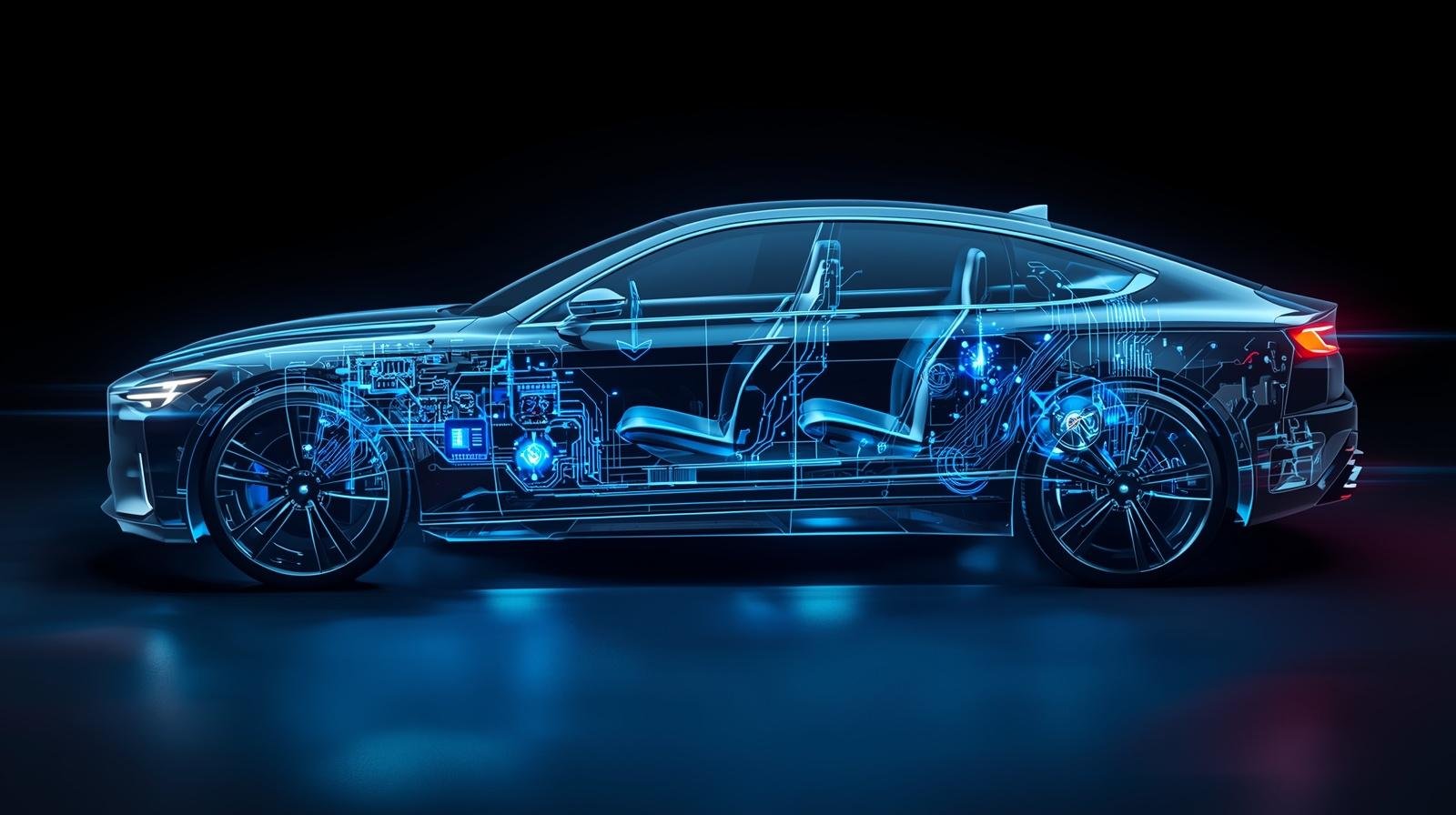
Electric vehicles operate through several main components:
- battery pack
- electric motor
- power electronics controller
- charging system
The battery pack stores electrical energy, while the electric motor converts electrical energy into mechanical motion that drives the wheels.
Battery management systems monitor battery temperature, voltage, and charging conditions to maintain battery performance.
Electric vehicles reduce fuel consumption and decrease emissions because they do not burn gasoline or diesel fuel during operation.
Manufacturers are continuing to improve battery capacity and charging infrastructure to support wider adoption of electric vehicles.
Development of Autonomous Driving Technology
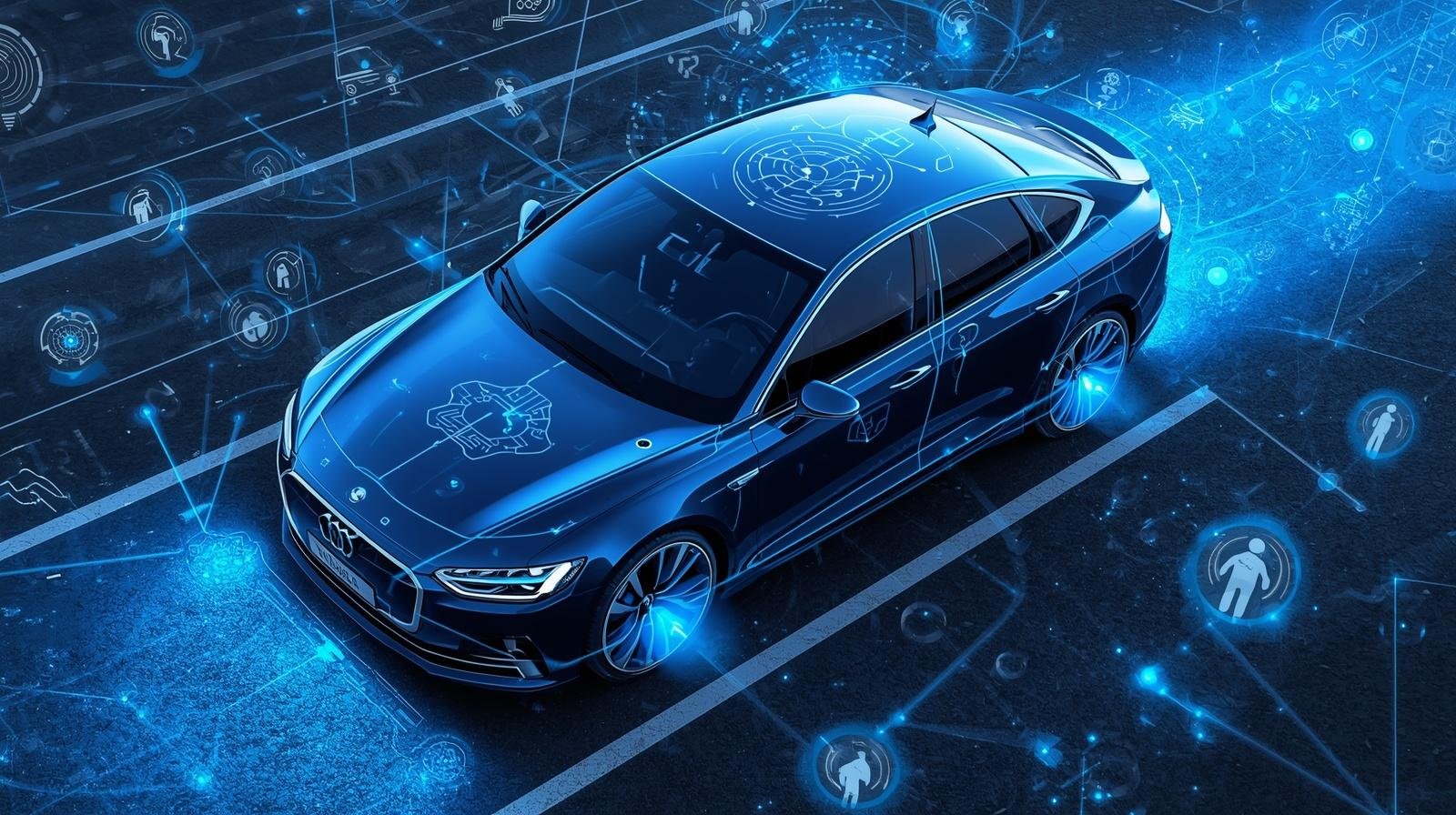
Autonomous driving technology focuses on vehicles that can operate with limited or no driver input. These vehicles rely on a combination of sensors, cameras, radar systems, mapping technology, and artificial intelligence software.
Autonomous systems analyze road conditions and control vehicle movement automatically.
Key technologies used in autonomous vehicles include:
- object detection sensors
- navigation systems
- vehicle control algorithms
- machine learning systems
Sensors detect objects such as vehicles, pedestrians, and road barriers. Cameras capture images of road lanes and traffic signals. Radar systems measure distance and object speed.
Artificial intelligence software processes this information and decides how the vehicle should move.
Although fully autonomous vehicles are still under development, many modern vehicles already include partial automation systems that assist drivers with steering, speed control, and braking.
Artificial Intelligence in Vehicle Systems
Artificial intelligence is becoming an important part of automotive technology. AI systems analyze large amounts of data from sensors, cameras, and vehicle communication networks.
Machine learning algorithms improve vehicle decision making by learning from previous driving data.
AI technology supports several vehicle functions such as:
- traffic detection
- object recognition
- route planning
- driver monitoring
Autonomous driving systems depend heavily on artificial intelligence to interpret complex road environments.
AI systems also help vehicles predict traffic conditions and suggest routes based on real time traffic data.
Vehicle Connectivity and Communication
Connected vehicle technology allows vehicles to communicate with other vehicles, mobile devices, and road infrastructure.
This communication creates a connected transportation environment that improves traffic management and road safety.
There are several forms of vehicle communication technology.
Vehicle to Vehicle Communication
Vehicle to vehicle communication allows vehicles to exchange information such as speed, direction, and braking activity.
If one vehicle brakes suddenly, nearby vehicles receive alerts through wireless communication systems. This information allows other vehicles to respond quickly.
Vehicle to Infrastructure Communication
Vehicle to infrastructure communication allows vehicles to interact with road systems such as traffic signals and road sensors.
For example, a vehicle may receive information from a traffic signal about the remaining time before a signal change.
This information can help vehicles adjust speed to reduce stopping and starting.
Vehicle to Cloud Communication
Modern vehicles may connect to cloud servers through internet connectivity.
Cloud systems store vehicle data and provide services such as navigation updates, remote diagnostics, and vehicle software updates.
Connected vehicle systems create new opportunities for transportation management and traffic optimization.
Advanced Battery Technology
Battery technology plays a critical role in the development of electric vehicles. Researchers are working to improve battery performance, charging speed, and lifespan.
Future battery development focuses on:
- higher energy density
- faster charging capability
- improved thermal management
- longer battery life cycles
Some research focuses on solid state battery technology. Solid state batteries use solid electrolytes instead of liquid electrolytes found in current lithium ion batteries.
This technology may provide improved energy storage and increased safety.
Battery innovation will continue to support the expansion of electric vehicle adoption.
Over the Air Vehicle Updates
Future vehicles will rely more heavily on remote software updates. Over the air update systems allow manufacturers to improve vehicle software through wireless networks.
Instead of visiting service centers, vehicles may receive system updates automatically.
These updates can include:
- performance improvements
- new digital features
- security updates
- bug fixes
Over the air updates allow vehicles to remain up to date with the latest software developments.
Smart Interior Systems
Vehicle interiors are also changing as digital technology becomes more integrated into automotive design.
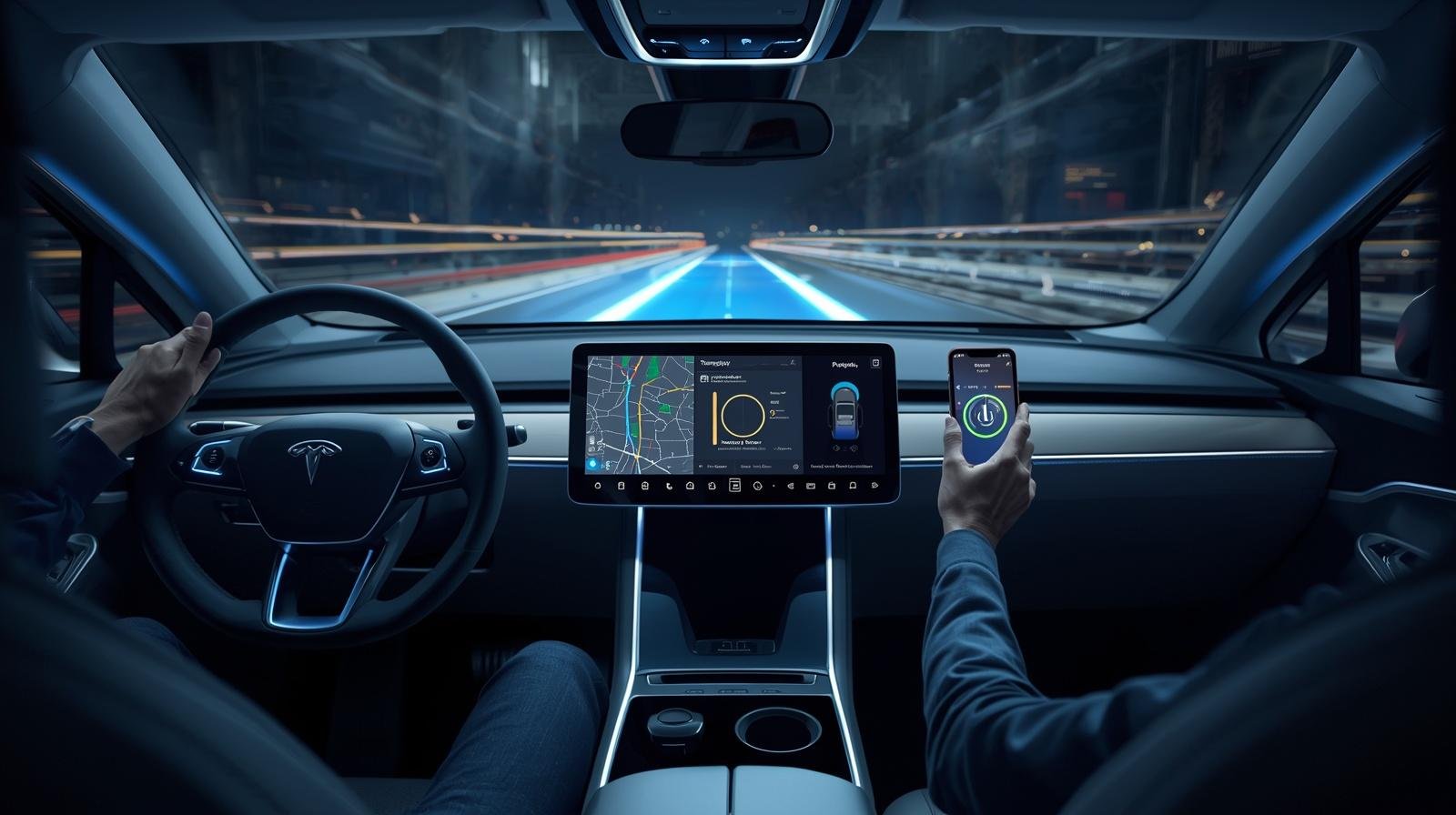
Future vehicle interiors may include advanced digital interfaces that provide information and control functions through touch displays, voice systems, and gesture recognition.
Digital dashboards may replace traditional gauges entirely.
Drivers may access vehicle information, navigation data, communication tools, and entertainment systems through integrated digital platforms.
Interior systems may also include biometric monitoring systems that detect driver condition and adjust vehicle settings.
Driver Monitoring Technology
Driver monitoring systems observe driver behavior and physical condition during driving.
These systems may use cameras and sensors to monitor eye movement, head position, and steering behavior.
If the system detects signs of fatigue or reduced attention, it can provide alerts to the driver.
Driver monitoring technology supports road safety by encouraging driver awareness during long driving periods.
In vehicles with automated driving features, driver monitoring systems ensure that the driver remains ready to take control when required.
Smart Traffic Systems
Future automotive technology will also integrate with smart city transportation systems.
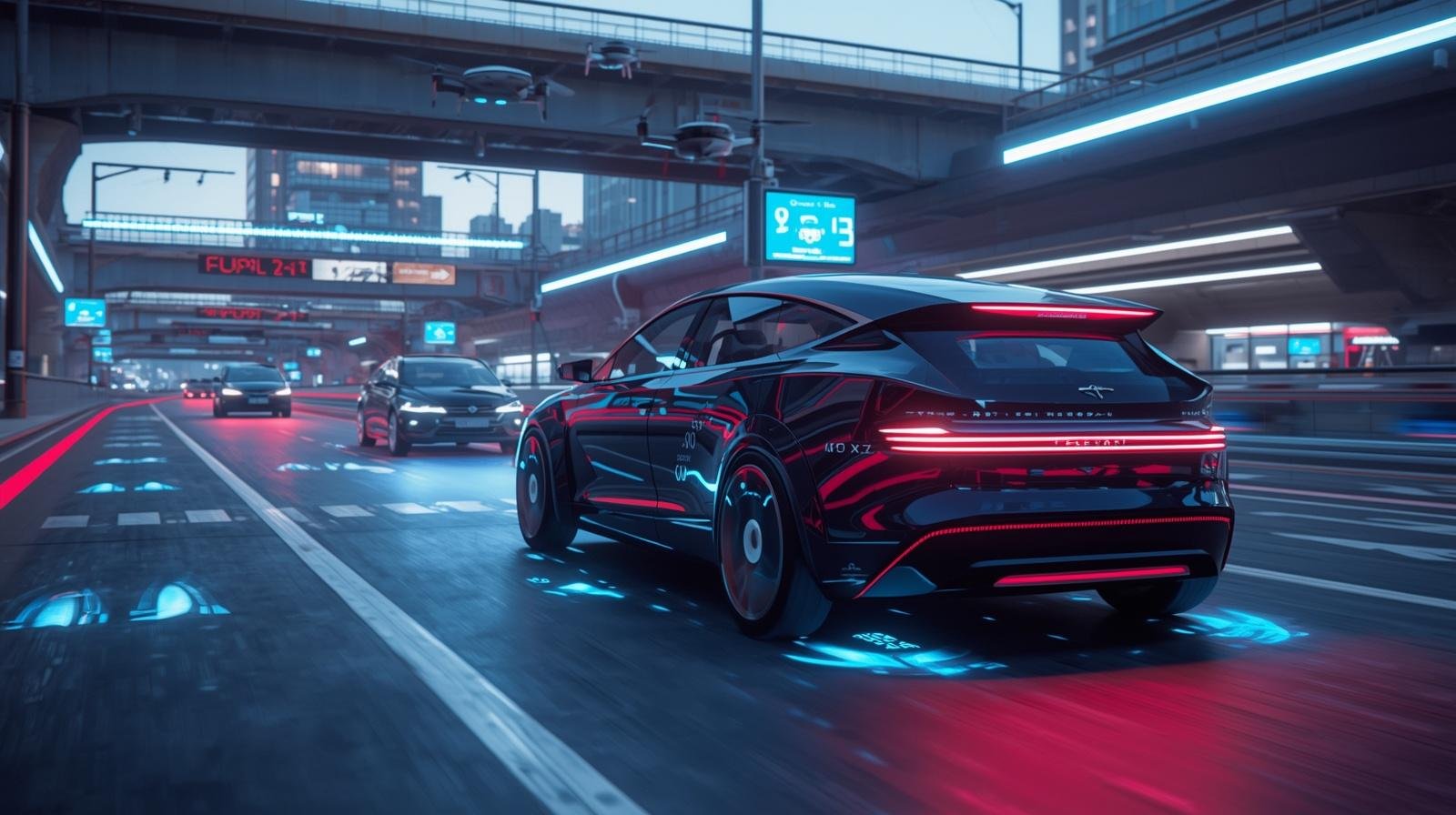
Smart traffic systems use digital communication networks, road sensors, and vehicle data to manage traffic flow.
Vehicles may receive information about traffic congestion, road closures, or accidents in real time.
Traffic management centers may use vehicle data to control traffic signals and improve traffic flow across cities.
This integration can reduce travel time and improve road efficiency.
Vehicle Data and Predictive Maintenance
Modern vehicles generate large volumes of data from sensors and control systems.
Future vehicles may use predictive maintenance technology to analyze this data and detect potential problems before they occur.
Predictive maintenance systems monitor engine performance, battery health, and system operation patterns.
If the system detects abnormal behavior, it may notify the driver or service center before a failure occurs.
This approach can reduce repair costs and prevent unexpected vehicle breakdowns.
Hydrogen Fuel Cell Technology
In addition to electric vehicles, hydrogen fuel cell technology represents another area of development in automotive engineering.
Hydrogen fuel cell vehicles generate electricity through a chemical reaction between hydrogen and oxygen.
This process produces electricity that powers an electric motor while producing water as a byproduct.
Hydrogen fuel cell vehicles offer an alternative zero emission transportation option.
However, hydrogen infrastructure and production systems still require further development for large scale adoption.
Integration with Smart Cities
Future vehicles will likely become part of broader smart city networks.
Smart city infrastructure may include connected traffic lights, digital road monitoring systems, and automated traffic management platforms.
Vehicles connected to these systems may receive real time data that supports navigation, safety alerts, and traffic control.
This integration may improve transportation efficiency and reduce traffic congestion.
Cybersecurity for Connected Vehicles
As vehicles become more connected, cybersecurity becomes increasingly important.
Connected vehicles exchange data with cloud services, mobile applications, and road infrastructure.
Manufacturers must design security systems that protect vehicle networks from unauthorized access.
Cybersecurity strategies may include:
- encrypted communication systems
- authentication protocols
- software security monitoring
Protecting vehicle software and communication networks ensures safe operation of connected transportation systems.
Environmental Impact of Automotive Technology
Future automotive technology also focuses on reducing environmental impact.
Electric vehicles and alternative fuel systems aim to reduce emissions produced by transportation systems.
Manufacturers are also researching sustainable materials for vehicle construction and energy efficient manufacturing processes.
Reducing energy consumption and emissions plays an important role in future transportation planning.
Benefits of Future Automotive Technology
Future automotive technologies may provide several benefits.
Improved Road Safety
Automation systems and driver assistance technologies may reduce human error during driving.
Energy Efficiency
Electric power systems and advanced battery technology may improve energy efficiency in transportation.
Traffic Optimization
Connected vehicle networks may improve traffic management and reduce congestion.
Reduced Environmental Impact
Low emission vehicle technologies support environmental protection goals.
Challenges of Automotive Innovation
Although automotive technology is advancing quickly, several challenges remain.
Infrastructure Development
Electric charging networks and hydrogen fueling stations require large scale infrastructure development.
System Reliability
Automated systems must operate reliably under many different driving conditions.
Data Privacy
Connected vehicle systems collect large amounts of data that must be managed responsibly.
Regulatory Framework
Governments must develop regulations that address autonomous driving systems and connected vehicle technology.
Conclusion
Future automotive technology is moving toward electric power systems, automated driving systems, connected transportation networks, and advanced software integration.
Vehicles are becoming complex digital systems capable of processing large amounts of data and interacting with other vehicles and infrastructure.
Advancements in artificial intelligence, battery technology, communication systems, and automation will continue shaping the automotive industry.
These technologies aim to improve transportation safety, energy efficiency, and traffic management while supporting sustainable mobility systems for the future.