Introduction
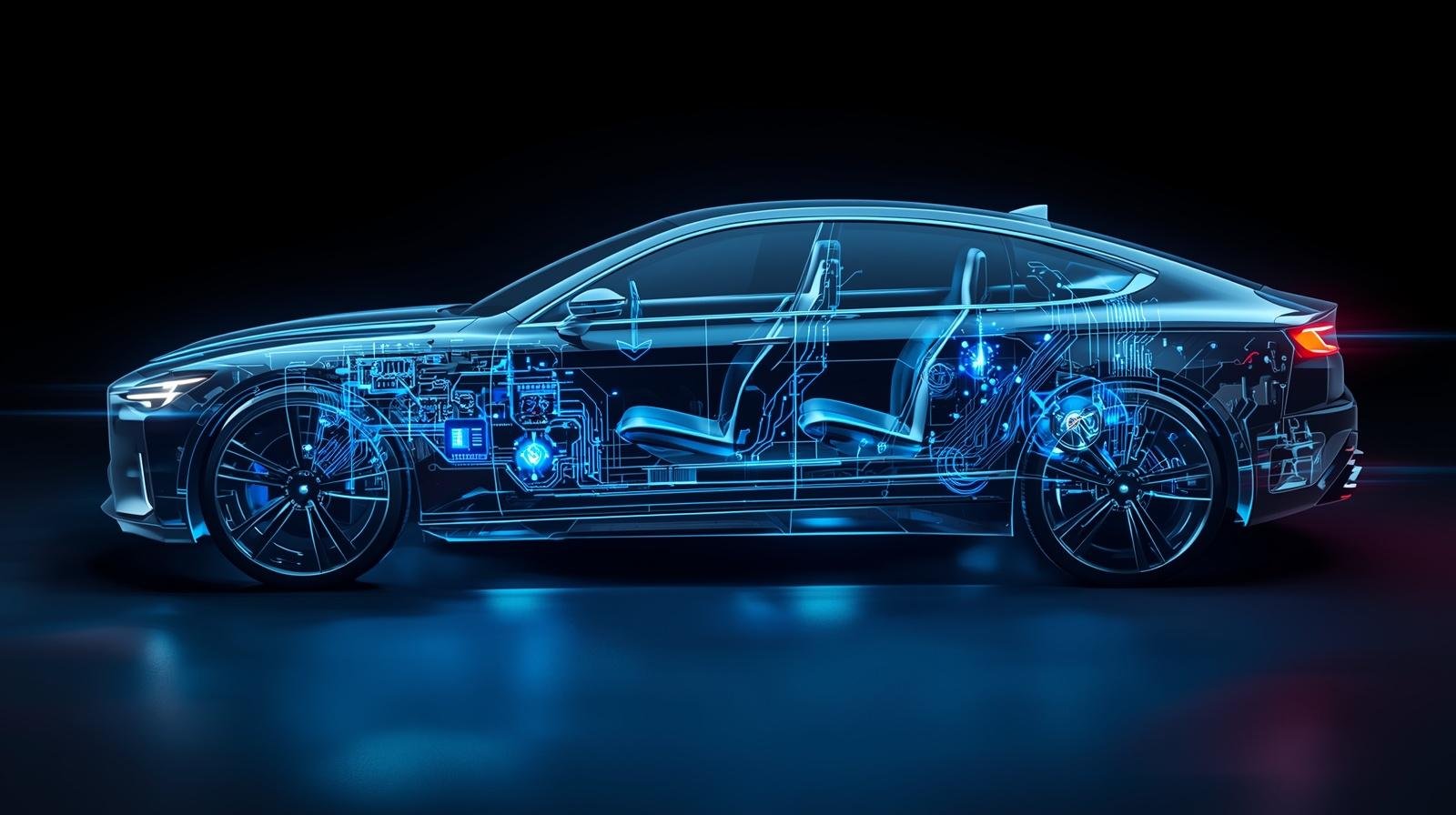
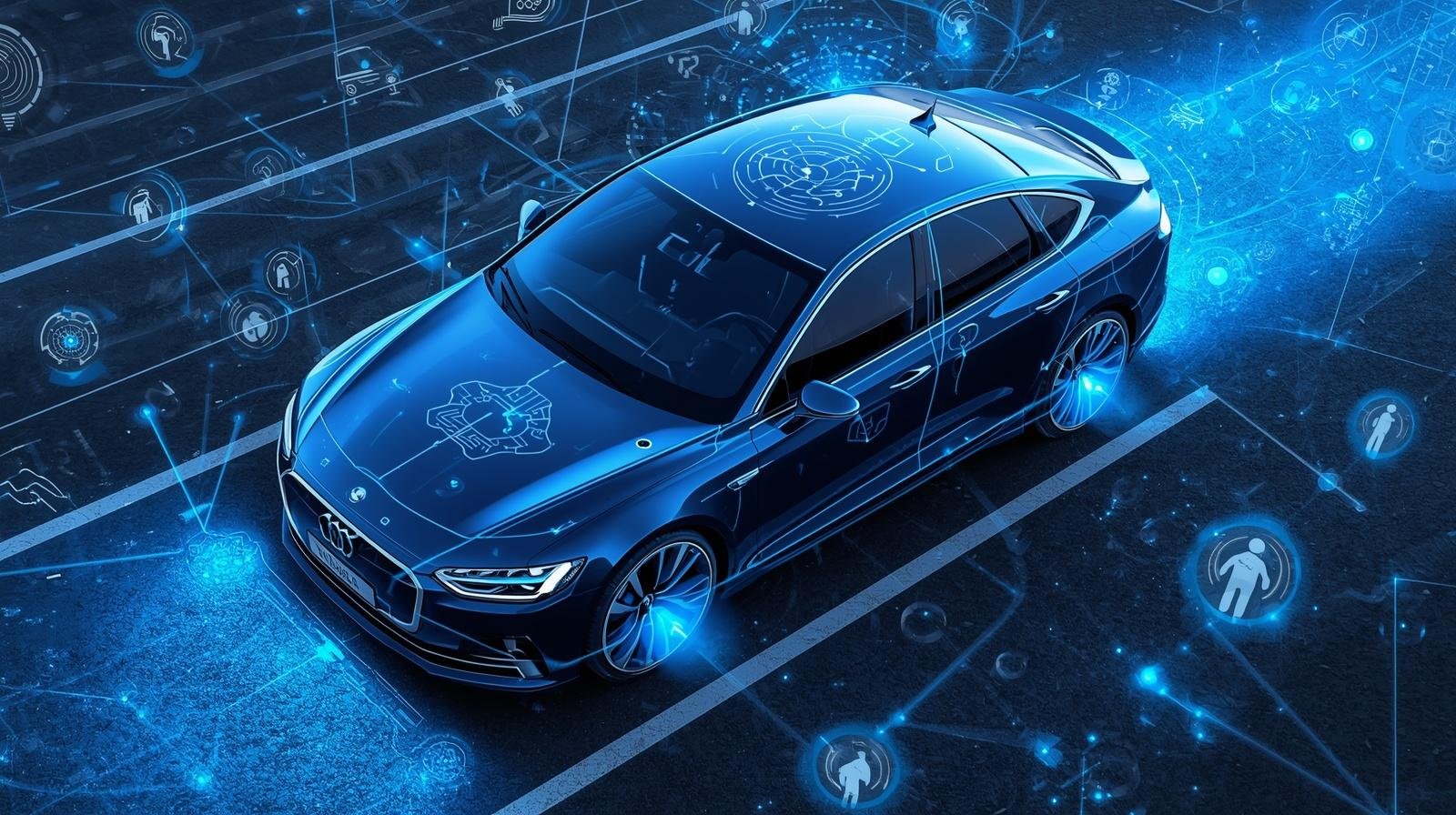
Automotive technology continues to change the way people interact with vehicles. Modern vehicles now include digital systems, driver assistance tools, and connectivity functions that support daily driving tasks. These smart features rely on software programs, sensors, communication networks, and electronic modules that work together during vehicle operation.
Manufacturers integrate these systems to improve safety, efficiency, navigation, and driver interaction with the vehicle. Many drivers use these features without fully understanding how they operate or how they support driving control.
Understanding the smart features available in modern vehicles helps drivers use their vehicles in a more informed way. These systems perform monitoring, data processing, and automated actions that assist the driver during different driving conditions.
Key Areas of Smart Vehicle Features
Smart vehicle features generally fall into several main areas:
- Driver assistance systems
- Safety monitoring systems
- Connectivity and communication tools
- Navigation and mapping systems
- Vehicle management systems
Each category supports specific functions that improve driving operations.
Keyless Entry and Push Start Systems
Keyless entry systems allow drivers to unlock and access the vehicle without using a physical key. A wireless transmitter inside the key fob sends a signal to the vehicle when the driver approaches the car.
The vehicle contains a receiver that identifies the authorized key signal. Once the signal is verified, the system unlocks the doors automatically.
Push start systems allow the driver to start the engine using a button instead of inserting a key into an ignition slot. When the driver presses the start button, the vehicle checks if the key fob is inside the car. If the signal is detected, the engine control system activates the engine.
This feature reduces the need for manual key handling.
Adaptive Cruise Control
Cruise control has existed in vehicles for many years, but modern vehicles now include adaptive cruise control systems.
Adaptive cruise control maintains a preset speed while also monitoring the distance between the vehicle and the car ahead. Radar sensors or cameras measure the distance and speed of the vehicle in front.
If the leading vehicle slows down, the system automatically reduces speed by adjusting throttle input or applying braking force. When the road clears, the system returns to the selected speed.
This system supports drivers during highway driving and reduces the need for constant speed adjustments.
Lane Departure Warning Systems
Lane departure warning systems monitor road lane markings using camera sensors mounted near the windshield.
The system detects the position of the vehicle relative to lane boundaries. If the vehicle begins moving out of the lane without a turn signal, the system alerts the driver.
Alerts may include:
- dashboard warning messages
- steering vibration
- audible signals
Some vehicles also include lane keeping assistance that automatically adjusts steering to guide the vehicle back into the lane.
Blind Spot Monitoring
Blind spot monitoring systems help drivers detect vehicles located in areas that mirrors cannot easily show.
Sensors located near the rear of the vehicle monitor traffic in adjacent lanes. When another vehicle enters the blind spot area, the system activates an indicator light on the side mirror.
If the driver signals a lane change while another vehicle is in the blind spot, the system may produce an alert signal.
This feature supports safer lane changes during driving.
Automatic Emergency Braking
Automatic emergency braking systems monitor the area in front of the vehicle using radar sensors or cameras.
The system continuously evaluates the distance between the vehicle and objects ahead. If the system detects a collision risk and the driver does not react in time, it activates the braking system.
The braking system reduces vehicle speed to lower the impact force or prevent a collision.
This technology works together with forward collision warning systems that alert the driver before braking occurs.
Parking Assistance Systems
Parking assistance systems support drivers during parking maneuvers. These systems use ultrasonic sensors placed around the vehicle to detect nearby objects.
When the vehicle moves close to an obstacle, the system provides visual or audio alerts that indicate the distance between the vehicle and the object.
Some vehicles include automated parking systems. These systems control steering while the driver manages acceleration and braking. The system calculates the steering angle required to place the vehicle into a parking space.
This feature helps drivers park in tight spaces.
Surround View Camera Systems
Many vehicles include multiple cameras placed around the exterior of the vehicle. These cameras capture images of the vehicle surroundings and combine them into a single display on the dashboard screen.
The system produces a top view representation of the vehicle and nearby objects. Drivers can see obstacles that may not appear in mirrors.
Surround view camera systems support parking and low speed maneuvering.
Navigation and Route Guidance
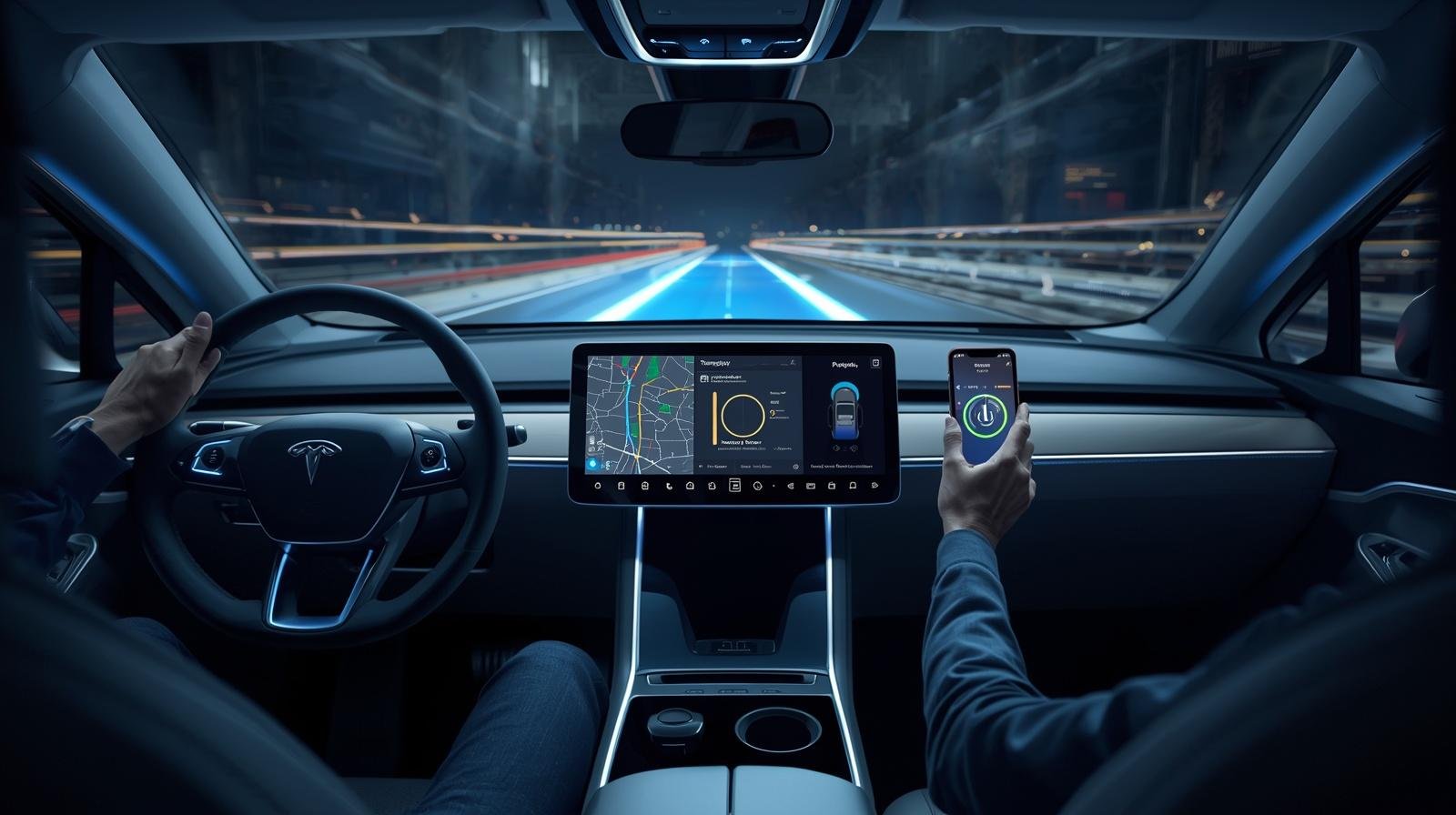
Navigation systems provide route guidance using satellite positioning technology. The system determines vehicle location and displays maps on the infotainment screen.
Drivers can enter destinations manually or through voice commands. The navigation system calculates routes based on road data and provides turn by turn directions.
Many systems also display traffic conditions and suggest alternative routes when traffic delays occur.
Voice Control Systems
Voice control systems allow drivers to operate vehicle functions through spoken commands.
Drivers can use voice commands to perform tasks such as:
- setting navigation destinations
- making phone calls
- playing music
- adjusting climate controls
Voice recognition software processes spoken input and converts it into system commands. This reduces the need for drivers to interact with physical controls.
Smartphone Integration
Modern vehicles support smartphone connectivity through integrated software platforms.
This feature allows drivers to connect mobile devices to the vehicle system using a cable or wireless connection.
Once connected, the driver can access:
- phone contacts
- messaging apps
- music streaming services
- navigation apps
The vehicle display acts as an interface for mobile applications.
Remote Vehicle Access
Some vehicles include remote access functions that allow drivers to interact with the vehicle using mobile applications.
Through a mobile app, drivers may be able to:
- lock or unlock doors
- start the engine
- check fuel levels or battery charge
- locate the vehicle location
These features depend on internet connectivity and vehicle communication systems.
Digital Instrument Clusters
Traditional analog gauges are being replaced by digital instrument clusters. These displays show vehicle information using digital graphics.
Drivers can view data such as:
- vehicle speed
- fuel level
- engine information
- navigation directions
Some digital clusters allow drivers to customize the layout of the display according to preference.
Driver Attention Monitoring
Driver attention monitoring systems analyze driver behavior to detect signs of reduced attention.
Sensors observe steering patterns and sometimes monitor eye movement using cameras. If the system detects unusual driving behavior that may indicate fatigue, it sends alerts to the driver.
The alert encourages the driver to take a break from driving.
Traffic Sign Recognition
Traffic sign recognition systems identify road signs using front facing cameras.
The system scans road signs and displays information such as speed limits on the dashboard display. This feature helps drivers remain aware of road regulations.
Over the Air Software Updates
Many modern vehicles now support remote software updates. Manufacturers send software updates to vehicles through wireless networks.
These updates may:
- improve system performance
- correct software errors
- add new digital functions
Drivers receive notifications when updates become available.
Smart Climate Control Systems
Climate control systems in modern vehicles use sensors to regulate cabin temperature automatically.
Temperature sensors detect interior conditions while sunlight sensors measure external heat levels. The climate control module processes this data and adjusts airflow, temperature, and fan speed.
Some systems allow separate temperature settings for different seating areas.
Tire Pressure Monitoring Systems
Tire pressure monitoring systems track the air pressure inside each tire.
Sensors inside the tires measure pressure levels and transmit data to the vehicle control system. If pressure drops below recommended levels, the system displays a warning on the dashboard.
Maintaining correct tire pressure supports fuel efficiency and vehicle control.
Fuel Efficiency Monitoring
Many vehicles include fuel monitoring tools that display fuel consumption data in real time.
Drivers can see:
- average fuel consumption
- current fuel usage
- estimated remaining driving range
These tools help drivers adjust driving behavior to manage fuel use.
Benefits of Smart Vehicle Features
Smart features provide several advantages for drivers and transportation systems.
Safety Support
Driver assistance systems monitor road conditions and reduce accident risks.
Driving Convenience
Automated functions reduce driver workload during tasks such as parking and speed control.
Information Access
Digital displays and connectivity systems provide real time vehicle data and navigation support.
Vehicle Monitoring
Drivers can track vehicle performance and maintenance needs through onboard systems.
Challenges of Smart Vehicle Systems
Although these systems provide benefits, they also create certain challenges.
System Learning Curve
Drivers may require time to understand the operation of new vehicle technologies.
Repair Complexity
Electronic systems may require specialized diagnostic equipment during maintenance.
Software Reliability
System performance depends on software reliability and regular updates.
Manufacturers continue to improve system design to address these concerns.
Future Development of Smart Vehicle Technology
Vehicle technology continues to develop with ongoing research and engineering efforts.
Future smart vehicle systems may include:
- advanced automation systems
- improved vehicle communication networks
- integration with smart transportation infrastructure
- artificial intelligence based driving support
These technologies aim to improve road safety, traffic management, and transportation efficiency.
Conclusion
Smart features in modern vehicles combine sensors, software systems, communication tools, and electronic modules to support driving tasks. These systems monitor vehicle conditions, assist drivers during navigation and parking, and provide real time information through digital interfaces.
As automotive technology continues to develop, vehicles will include more advanced systems that expand connectivity, automation, and data processing capabilities. Understanding these smart features helps drivers use modern vehicles more effectively and safely.