 11
11
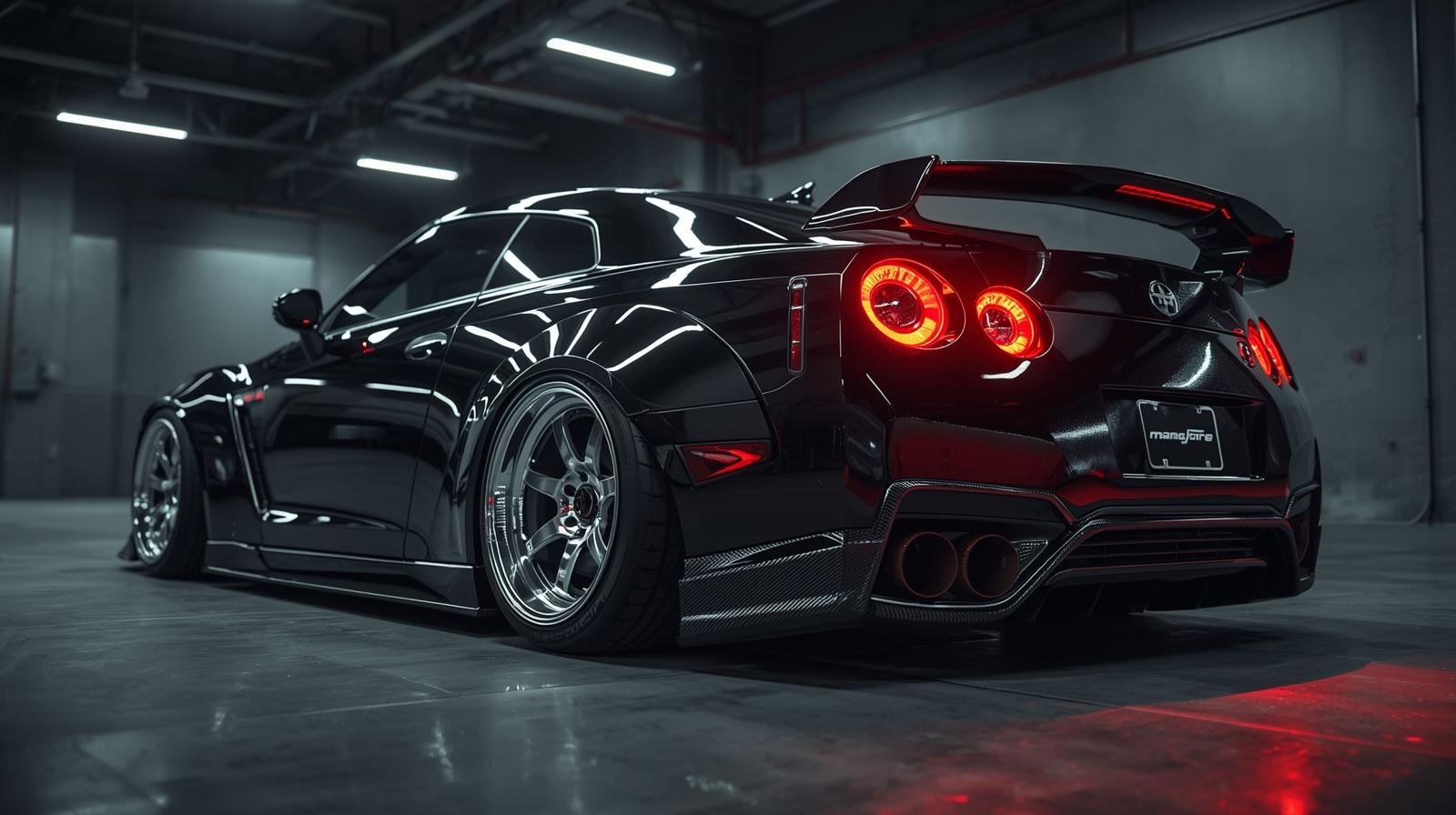
Choosing the right customization options for a vehicle is a process that requires planning, research, and understanding of how different upgrades affect performance, safety, and usability. Many vehicle owners make changes without clear direction, which can lead to wasted cost, reduced efficiency, or legal issues. A structured approach helps ensure that every modification serves a purpose.
This guide explains how to select the right customization options based on needs, budget, and vehicle type. It covers decision making steps, compatibility checks, and practical considerations.
Vehicle customization includes changes made to improve performance, appearance, or driving experience. These changes can be simple or complex depending on the goal.
Main types of customization:
Each type serves a different purpose. Selecting the right category depends on what you want to achieve.
The first step is to define a clear objective. Without a goal, customization can become unplanned.
Common objectives include:
A clear objective helps in selecting upgrades that match your needs.
Not all vehicles respond the same way to customization. Understanding your vehicle type is important.
Focus on comfort, efficiency, and reliability.
Focus on engine output, handling, and braking.
Focus on suspension, tires, and ground clearance.
Selecting upgrades based on vehicle type ensures better results.
Budget plays a major role in customization decisions. Without a budget, costs can increase quickly.
Steps to manage budget:
A planned budget helps avoid incomplete projects.
Research helps in understanding available options.
Look at different brands and features.
Feedback provides real world information.
Ensure parts fit your vehicle model.
Research reduces the risk of poor decisions.
Not all upgrades are equally important. Prioritizing helps in achieving better results.
Start with brakes and tires.
Focus on engine and suspension.
Visual upgrades can be done later.
This approach ensures safety and efficiency.
Compatibility is critical for proper function.
Ignoring compatibility can cause damage.
Every region has rules for vehicle modification. It is important to follow these rules.
Some changes are allowed without restrictions.
Certain upgrades require approval.
Some modifications are not allowed on public roads.
Always check local laws before making changes.
Each modification affects performance in a different way.
Improved speed, control, or comfort.
Increased fuel use or reduced reliability.
Understanding impact helps in making balanced decisions.
Quality parts ensure durability and safety.
Good materials last longer.
Choose known manufacturers.
Warranty provides security.
Avoid low quality parts to prevent future issues.
Some upgrades can be installed at home, while others require expert help.
Choosing the right method ensures safety.
A vehicle should provide both control and usability.
Balance depends on your driving needs.
Order of upgrades matters.
A proper sequence avoids system imbalance.
After installing upgrades, monitor vehicle behavior.
Look for changes in speed and control.
Ensure all parts are working correctly.
Unusual sounds may indicate problems.
Regular monitoring helps maintain performance.
Customized vehicles need regular care.
Maintenance ensures long term performance.
Avoiding these mistakes saves time and cost.
Every upgrade should provide value.
This approach ensures efficient spending.
Understanding challenges helps in better planning.
Choosing the right customization options requires a structured approach. Defining goals, managing budget, and selecting compatible parts are key steps. Safety and legal compliance must always be considered. With proper planning, customization can improve performance, comfort, and overall driving experience without creating problems.