 11
11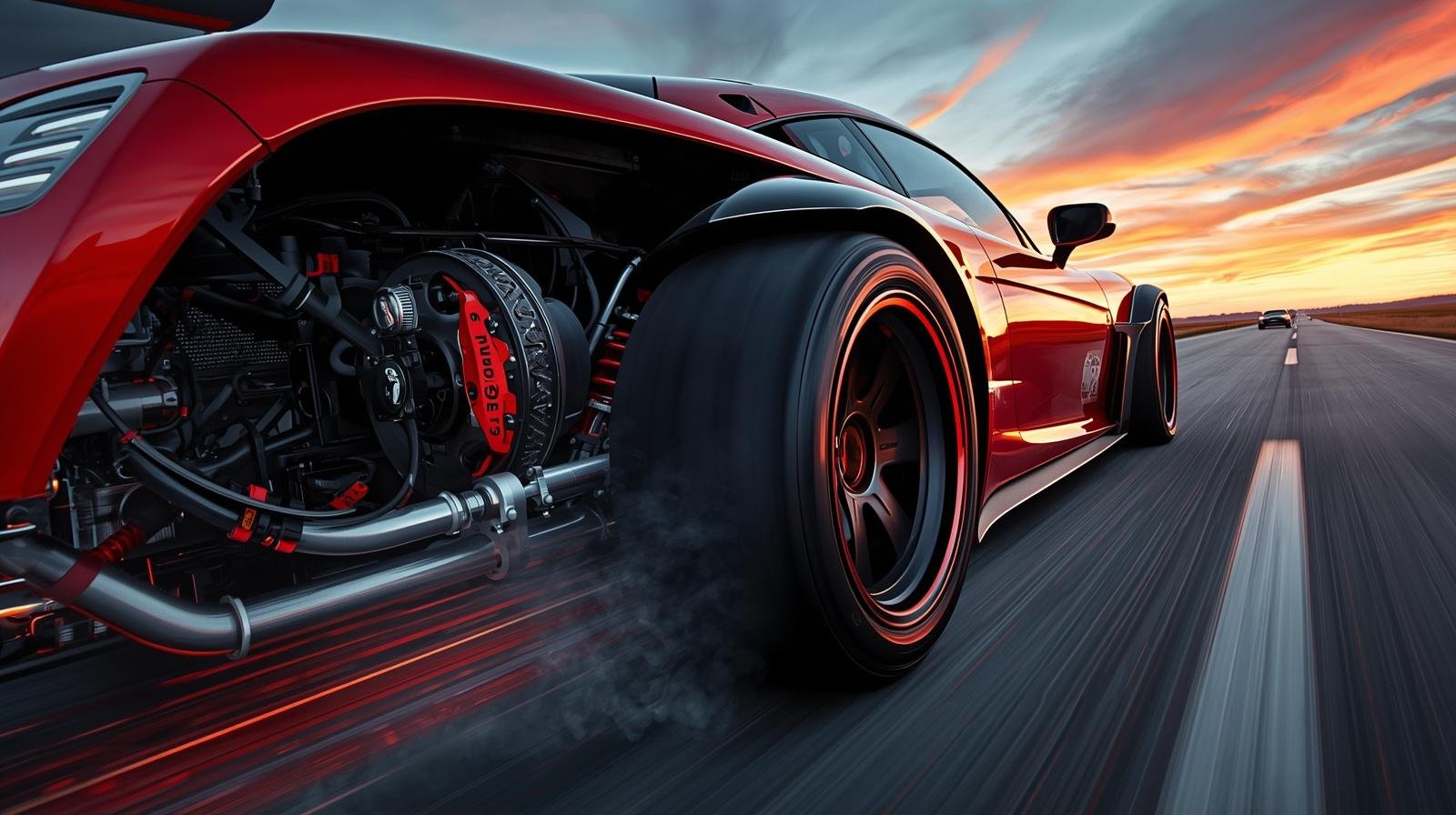
Car upgrades focus on improving how a vehicle moves, responds, and performs on the road. Many drivers upgrade their cars to achieve better speed, control, and driving experience. However, each upgrade must be selected carefully to ensure balance between performance, safety, and reliability.
This guide explains popular car upgrades that improve speed, handling, and overall driving experience. It covers engine improvements, suspension changes, braking systems, and supporting upgrades that work together.
Performance upgrades are changes made to increase engine output, improve control, and enhance driving response. These upgrades should be done in a planned sequence. Installing random parts without understanding their impact can reduce efficiency.
Key areas of upgrades include:
Each area supports the others. For example, increasing speed without improving brakes can create safety risks.
The engine plays a central role in speed. Increasing engine efficiency leads to better acceleration and higher output.
A cold air intake system improves airflow to the engine. More air leads to better combustion, which increases power. This is one of the first upgrades many drivers choose.
A performance exhaust system helps gases exit the engine in an efficient way. This reduces back pressure and improves engine output.
The engine control unit manages fuel injection and timing. ECU tuning adjusts these settings to improve performance. This process must be done using proper tools.
A turbocharger increases air pressure entering the engine. This results in more power. It requires support from fuel and cooling systems.
The fuel system must match engine upgrades.
These injectors deliver more fuel to support increased air intake.
A high capacity pump ensures continuous fuel supply during high performance driving.
Handling determines how a car responds to turns and road conditions. Upgrading suspension improves stability and control.
Coilovers allow adjustment of height and stiffness. This helps in achieving better cornering control.
Shock absorbers control movement of the suspension. Upgraded shocks improve stability.
Anti roll bars reduce body movement during turns. This improves balance.
Steering upgrades improve driver control.
A responsive steering rack improves turning precision.
Better bushings reduce unwanted movement and increase control.
Higher speed requires stronger braking.
These pads provide better friction and improve stopping power.
Larger discs help manage heat and improve braking performance.
High grade brake fluid maintains performance under pressure.
Tires and wheels affect grip, acceleration, and handling.
These tires provide better traction on the road.
Reducing wheel weight improves speed and handling.
Alignment ensures even tire contact with the road.
Reducing weight improves acceleration and handling.
Unnecessary items add weight and reduce performance.
Using parts made from light materials improves efficiency.
Aerodynamics affects speed and stability.
Directs airflow to reduce lift.
Improves stability at higher speeds.
Manages airflow under the car.
Performance upgrades increase heat. Cooling systems must be improved.
A larger radiator improves heat control.
Used in turbo systems to cool air before entering engine.
Transmission transfers power from engine to wheels.
A stronger clutch handles increased power.
Reduces gear shift distance and improves response.
Exhaust systems also affect sound.
Driving experience includes comfort and control.
Provide better support during driving.
Improve control over acceleration and braking.
Provide real time performance data.
Upgrades must be balanced. Increasing power without improving handling and brakes creates problems. A balanced approach includes:
Proper installation ensures safety.
Upgraded cars require regular maintenance.
Check engine, brakes, and suspension.
Maintain oil and coolant levels.
Observe any unusual changes.
Performance upgrades can be expensive.
Car upgrades that improve speed, handling, and driving experience require planning and knowledge. Engine, suspension, and brake upgrades must work together to achieve results. A structured approach helps avoid mistakes and ensures safe performance improvement.