 11
11
Car maintenance is a core part of vehicle ownership. A car needs regular attention to perform without interruption. Ignoring small issues often leads to larger problems, higher costs, and safety risks. This guide explains key maintenance practices that help keep a vehicle running in a stable and reliable way. Each section focuses on actions that any car owner can follow with basic tools and awareness.
A vehicle operates through a system of connected parts. The engine, transmission, brakes, tires, and electrical components work together. When one part fails, it can affect the entire system. Regular maintenance reduces the risk of breakdowns and ensures that each component functions as expected.
Maintenance also helps maintain fuel efficiency. A car that runs in proper condition consumes less fuel compared to one with neglected systems. This leads to long-term savings. In addition, routine checks help detect wear before it turns into damage.
Engine oil plays a central role in lubrication. It reduces friction between moving parts and prevents overheating. Over time, oil collects dirt and loses its ability to protect the engine.
Check oil level using the dipstick. Park the car on a flat surface and wait for the engine to cool. Remove the dipstick, wipe it, insert it again, and check the level. If the oil appears dark or low, it needs replacement.
Change oil based on usage. For most vehicles, oil change intervals range between 5,000 to 10,000 kilometers. Always follow the manufacturer’s recommendation.
The air filter prevents dust and particles from entering the engine. A clogged filter restricts airflow and reduces engine performance.
Inspect the air filter after every few thousand kilometers. Remove it from the housing and check for dirt buildup. If it appears blocked, replace it. A clean air filter supports proper combustion and fuel use.
Tires connect the vehicle to the road. Proper tire condition ensures safe driving and fuel efficiency.
Check tire pressure at least once a month. Use a pressure gauge and compare with the recommended level found in the vehicle manual. Underinflated tires increase fuel use, while overinflated tires reduce grip.
Inspect tires for wear patterns. Uneven wear may indicate alignment issues. Rotate tires every 8,000 to 10,000 kilometers to ensure even usage.
Brakes are critical for safety. Regular inspection ensures that the braking system responds when needed.
Listen for sounds when applying brakes. Noise may indicate worn brake pads. Also check brake fluid level. Low fluid can reduce braking ability.
Replace brake pads when they reach the minimum thickness. Ignoring this can damage the brake discs and increase repair cost.
The battery provides power to start the engine and operate electrical components. Over time, battery performance declines.
Check battery terminals for corrosion. Clean them using a solution of baking soda and water. Ensure connections are tight.
Test battery voltage using a multimeter. If the reading is low, consider replacement. Most batteries last between three to five years.
The cooling system regulates engine temperature. Coolant absorbs heat and prevents overheating.
Check coolant level in the reservoir. Ensure it is between the minimum and maximum marks. Never open the radiator cap when the engine is hot.
Flush the cooling system as recommended by the manufacturer. This removes deposits and maintains proper flow.
Transmission fluid allows smooth gear shifts. Low or dirty fluid can cause shifting problems.
Check transmission fluid level using the dipstick if available. The fluid should appear clean and at the correct level. If it looks dark or has a burnt smell, it needs replacement.
Automatic and manual transmissions may have different service intervals. Follow the vehicle manual for guidance.
Spark plugs ignite the air-fuel mixture in the engine. Worn spark plugs can lead to engine misfire and poor performance.
Inspect spark plugs during routine servicing. Replace them based on manufacturer guidelines, usually between 20,000 to 50,000 kilometers.
The fuel system includes injectors, pump, and filter. Clean fuel ensures proper engine operation.
Replace the fuel filter at recommended intervals. A clogged filter restricts fuel flow and reduces engine output.
Use fuel from reliable sources. Poor fuel quality can damage injectors and affect performance.
Lights ensure visibility during driving. Electrical components support vehicle functions.
Check headlights, brake lights, and indicators regularly. Replace bulbs that fail.
Inspect wiring for damage. Faulty wiring can lead to system failure.
Clear visibility is necessary for safe driving. Windshield and wipers play a key role.
Check for cracks on the windshield. Even small cracks can expand over time.
Inspect wiper blades for wear. Replace them if they leave streaks or fail to clear water.
Fill windshield washer fluid to maintain cleaning function.
The suspension system supports vehicle stability and comfort. It includes shocks, struts, and springs.
Listen for unusual sounds when driving over uneven surfaces. This may indicate worn components.
Inspect suspension parts during servicing. Replace worn parts to maintain control and balance.
The exhaust system directs gases away from the engine and reduces emissions.
Check for leaks or unusual sounds. A damaged exhaust system can affect engine performance and increase emissions.
Repair or replace faulty components to maintain proper function.
Belts and hoses connect and support engine components. Over time, they can wear or crack.
Inspect belts for signs of wear such as cracks or fraying. Replace them if needed.
Check hoses for leaks or swelling. Faulty hoses can lead to fluid loss and engine damage.
Keeping the car clean helps maintain its condition. Dirt buildup can damage paint and components.
Wash the exterior regularly. Clean the interior to maintain comfort.
Apply protective coating to prevent rust and damage.
Every vehicle comes with a service schedule provided by the manufacturer. This schedule outlines maintenance intervals for different components.
Follow the schedule to ensure timely service. Skipping maintenance can lead to system failure.
Modern vehicles include warning indicators on the dashboard. These signals alert the driver about potential issues.
Pay attention to warning lights. Address problems as soon as they appear.
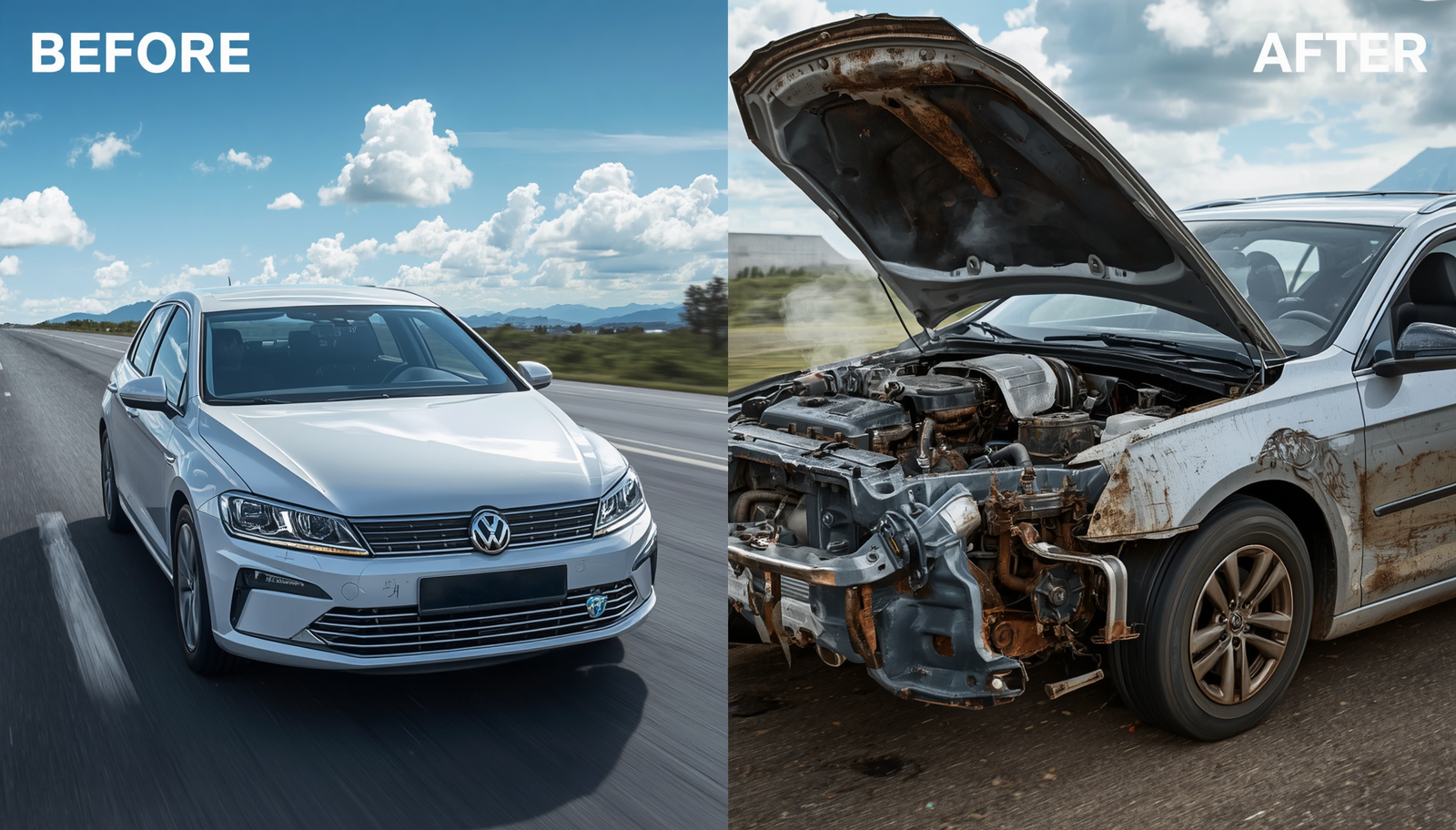
Ignoring warning signs can lead to severe damage.
Regular maintenance provides several advantages:
Car maintenance is not optional. It is a continuous process that ensures the vehicle operates without issues. By following these essential tips, car owners can maintain performance, reduce risk, and extend the life of their vehicle.
Consistency is the key. Small checks performed regularly prevent major problems. A well-maintained car delivers stable performance and supports safe driving over time.