 11
11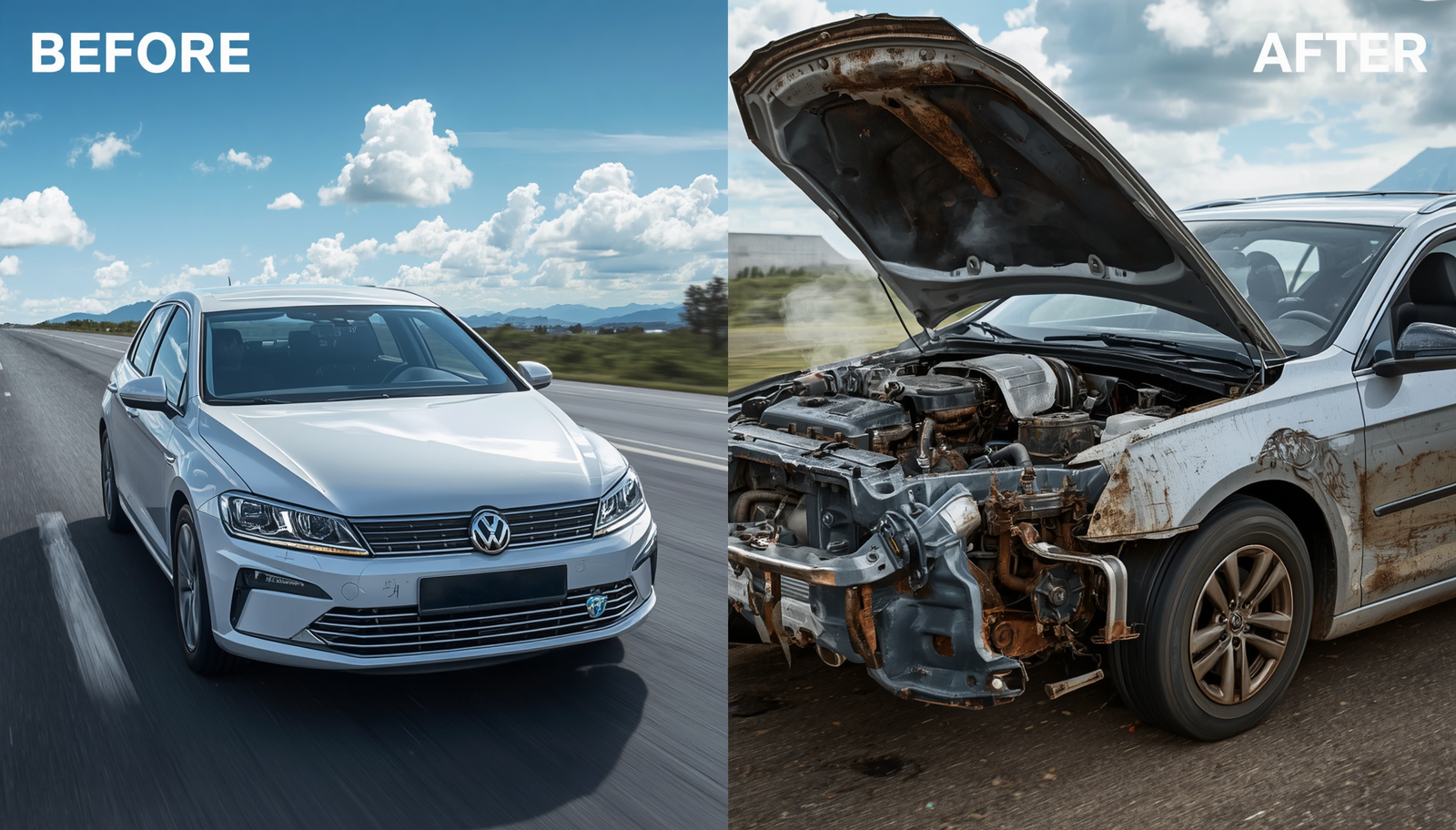
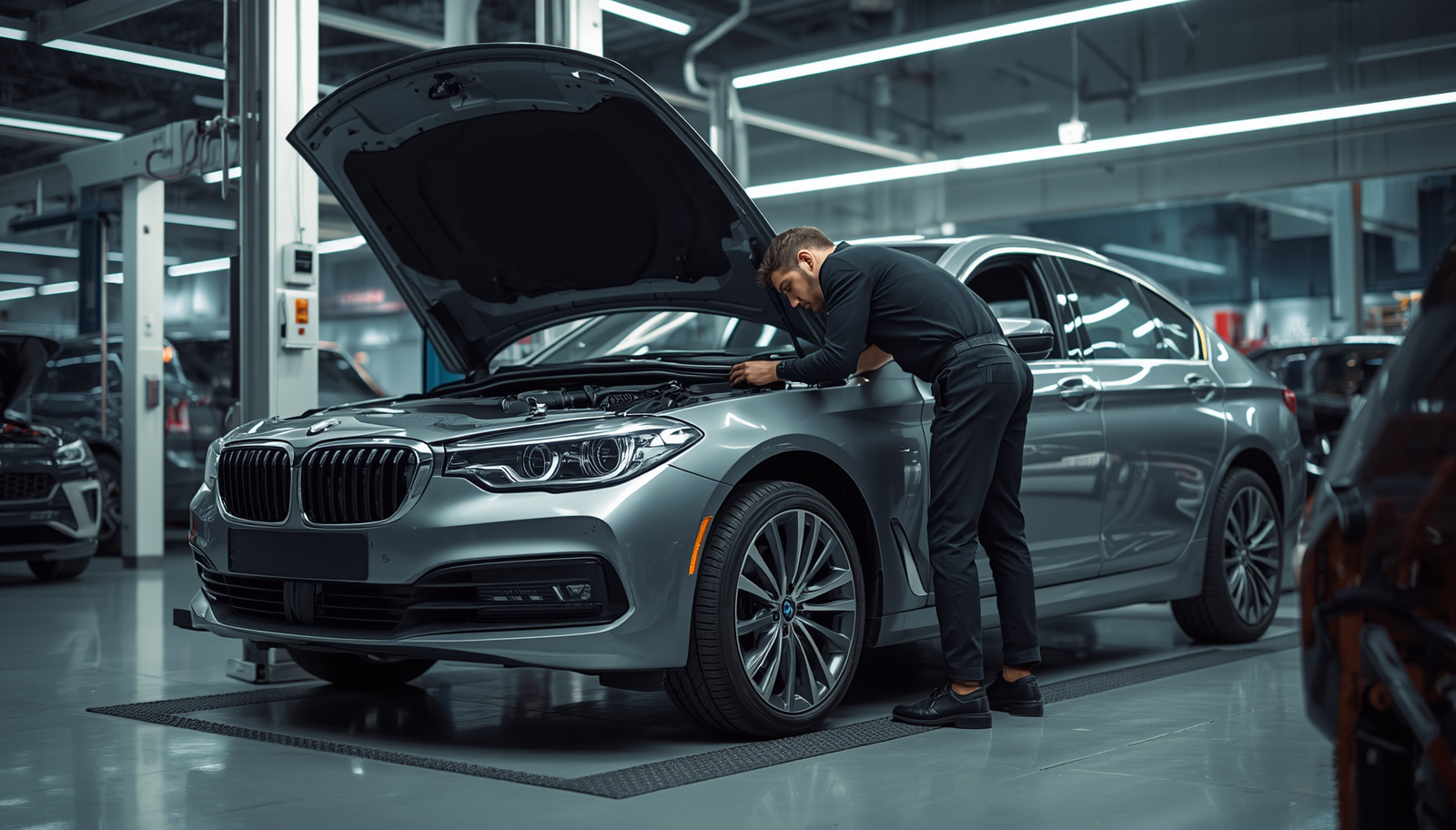
Car performance depends on the condition of its systems. Every component works under stress during operation. Over time, parts wear, fluids degrade, and efficiency drops. Regular maintenance addresses these changes before they affect function. It ensures that the vehicle continues to operate in a stable and controlled manner.
This article explains how consistent maintenance improves performance and increases the working life of a vehicle.
Vehicle performance includes engine response, fuel use, braking ability, and driving stability. These factors depend on how well each system operates.
When parts function within their required limits, the car delivers steady output. When maintenance is ignored, performance begins to decline. Small issues develop into larger faults that affect multiple systems.
The engine is the main unit that generates power. Its performance depends on proper lubrication, clean air supply, and correct fuel delivery.
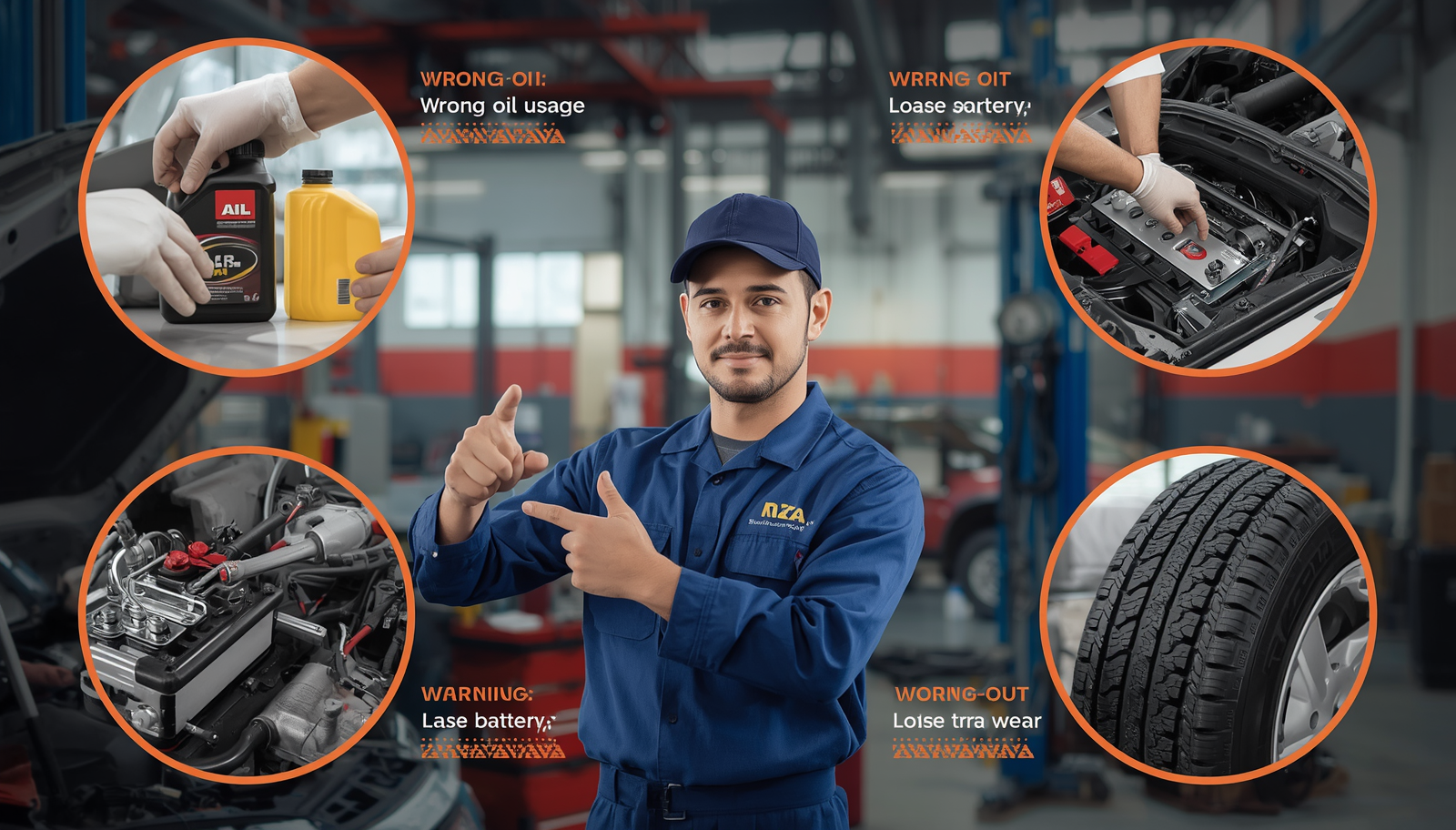
Regular oil changes reduce friction between moving parts. This allows the engine to run without resistance. Clean oil also removes contaminants that can damage internal components.
Replacing air filters ensures that the engine receives enough air for combustion. A blocked filter restricts airflow and reduces power output.
Fuel system maintenance ensures that injectors deliver fuel in the correct amount. Clean injectors improve combustion and support smooth engine operation.
Fuel efficiency depends on how effectively the engine converts fuel into energy. Poor maintenance increases fuel consumption.
Low tire pressure creates resistance, forcing the engine to use more fuel. Dirty filters reduce airflow, affecting combustion. Worn spark plugs lead to incomplete burning of fuel.
Regular checks of these components help maintain efficient fuel use. This reduces operating cost and supports consistent performance.
The lifespan of an engine depends on how well it is protected from wear and heat.
Engine oil forms a layer between moving parts. Without this layer, metal surfaces come into direct contact, causing wear. Regular oil replacement maintains this protective layer.
Cooling system maintenance prevents overheating. High temperature can damage engine parts and reduce lifespan.
Timely replacement of worn components ensures that stress does not transfer to other parts. This helps the engine operate for a longer period.
The transmission system transfers power from the engine to the wheels. Smooth gear shifting depends on proper fluid condition.
Transmission fluid reduces friction and heat within the system. Over time, the fluid loses its properties. Replacing it at the right interval prevents damage.
A well-maintained transmission supports smooth acceleration and stable driving.
The braking system affects both performance and safety. Worn brake components reduce stopping ability.
Regular inspection of brake pads and fluid ensures that the system responds correctly. Replacing worn parts maintains braking force.
A maintained brake system allows controlled stopping, which supports safe driving.
Tires influence grip, balance, and control. Their condition directly affects driving performance.
Correct tire pressure ensures proper contact with the road. Uneven pressure leads to poor handling.
Tire rotation ensures even wear. This maintains balance and extends tire life.
Replacing worn tires improves grip and reduces risk during driving.
The suspension system absorbs shocks and maintains contact between tires and road.
Worn suspension components reduce stability and control. Regular inspection helps identify worn parts.
Maintaining the suspension system ensures that the vehicle responds to road conditions without loss of control.
The electrical system powers various components including ignition and lighting.
A weak battery affects engine starting and system performance. Regular battery checks ensure stable power supply.
Maintaining wiring and connections prevents system failure and ensures consistent operation.
The cooling system regulates engine temperature. Overheating can cause serious damage.
Coolant absorbs heat and transfers it away from the engine. Over time, coolant becomes less effective.
Regular coolant replacement and system checks prevent overheating and protect engine components.
The exhaust system removes gases produced during combustion.
A blocked or damaged exhaust system affects engine performance. It can also increase fuel consumption.
Regular inspection ensures that gases flow out without restriction.
Maintenance helps identify problems at an early stage. Fixing minor issues costs less than repairing major damage.
Ignoring maintenance leads to component failure. This increases repair cost and downtime.
Regular servicing reduces unexpected expenses.
A maintained vehicle provides steady performance during daily use.
Smooth acceleration, stable handling, and reliable braking improve the driving experience.
Consistency in performance builds confidence during driving.
A well-maintained vehicle produces fewer emissions.
Clean filters and proper combustion reduce harmful gases. This supports environmental protection.
Maintaining the vehicle also ensures compliance with emission standards.
Maintenance records increase the value of a vehicle during resale.
Buyers prefer vehicles with documented service history. This indicates proper care and reliable condition.
A well-maintained car can be sold at a better price.
Reliability depends on how often the vehicle is maintained.
Regular checks ensure that all systems function as required. This reduces the risk of breakdown during use.
A reliable vehicle supports daily travel without interruption.
Each system in a vehicle is connected. Failure in one system can affect others.
Maintenance ensures that all systems remain in working condition. This prevents chain reactions that lead to major faults.
Manufacturers provide a service schedule based on testing and usage patterns.
Following this schedule ensures that maintenance tasks are performed at the correct time.
Skipping scheduled service can lead to performance decline.
Drivers should observe how the vehicle behaves during use.
Changes in sound, response, or fuel use may indicate a problem.
Early detection allows quick action and prevents further damage.
Regular maintenance plays a direct role in improving car performance and extending lifespan. It ensures that each system operates within its required limits.
By following maintenance practices, car owners can reduce wear, improve efficiency, and maintain reliability. A vehicle that receives consistent care performs better and lasts longer.